
Key Takeaways
Read this first
- Students should start on gig-style platforms like Fiverr, where clients come to you, instead of bidding wars you will lose without reviews.
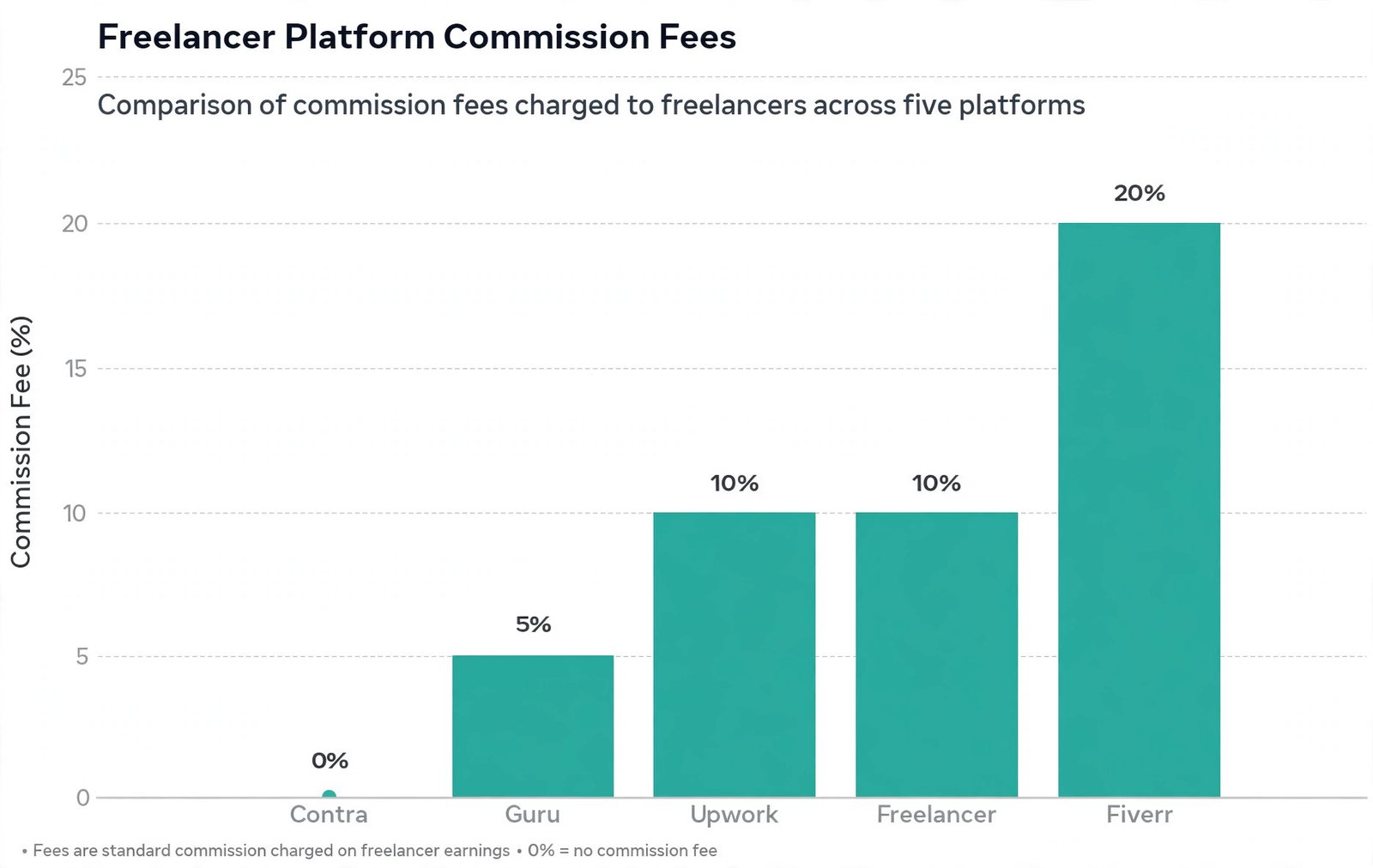
- Platform fees range from 0% (Contra) to 20% (Fiverr), so a Rs. 10,000 project can net you anywhere from Rs. 8,000 to Rs. 10,000.
- Upwork requires you to be 18; Fiverr allows 13+ with parental consent. Have a bank account or Payoneer set up before your first payout.
You want to earn while studying, but most freelance sites reward people who already have clients and reviews. These seven platforms actually work for beginners starting from zero, with honest notes on fees, payouts, and what to watch out for.
| Platform | Best for students | Fee you pay | Minimum payout |
|---|---|---|---|
| Fiverr | First gigs with zero bidding | 20% | $5 |
| Contra | Portfolio-first, zero commission | 0% | $25 |
| Upwork | Long-term clients | 0-15% per contract | $100 |
| Freelancer.com | Bidding practice | 10% (min $5) | $30 |
| Guru | Lowest fees on a classic marketplace | 5-9% | $25 |
| Truelancer | India-friendly clients | Varies by plan | Low |
| Internshala | Internships, not gigs | Free for students | N/A |
Fiverr: Best First Platform for Students
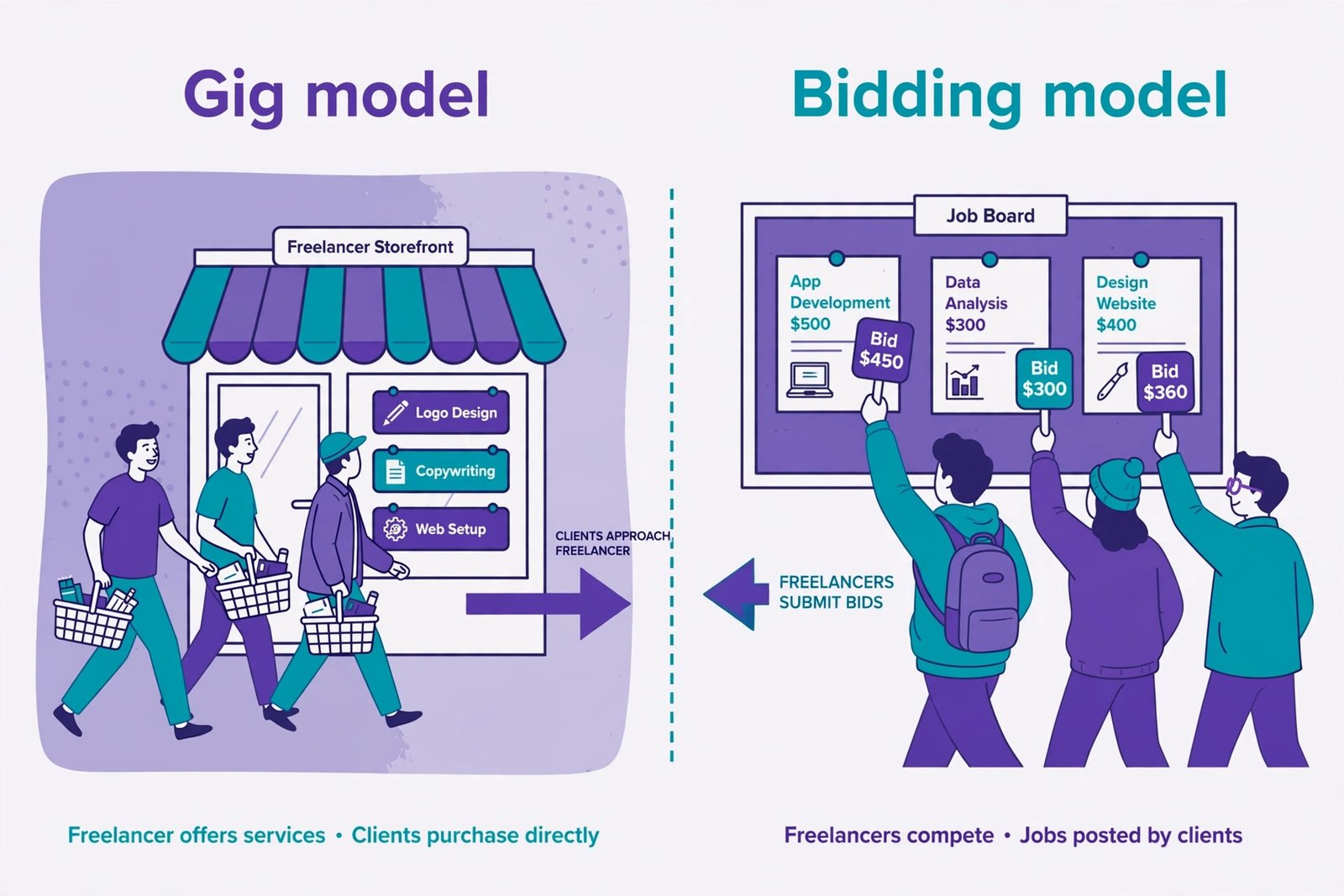
Fiverr flips the model: instead of bidding on jobs, you list “gigs” and clients come to you. That is ideal around exam season, because you set delivery times and availability instead of chasing deadlines. A gig takes about 30 minutes to set up, and writing, design, and social media gigs are all in demand. The catch is the 20% commission, the highest in the industry, and standing out without reviews takes patience. Price your first gigs low, over-deliver, and let the five-star reviews compound. Pair your gig income with stronger skills using our guide to the best AI tools for students.
Contra: Best for Keeping 100% of What You Earn
Contra charges freelancers zero commission and puts your portfolio front and center. If you are a design, video, or writing student with work to show, this is where your portfolio does the selling. The minimum payout is $25 and payment protection is built in. The tradeoff is a smaller client base than the giants, so treat it as your high-margin home base rather than your only channel.
Upwork: Best for Long-Term Clients
Upwork is the largest freelance marketplace and the best place to graduate to once you have a few reviews. Long-term contracts and higher-paying clients live here. Since May 2025 the fee is a variable 0 to 15% set per contract instead of a flat rate, which rewards repeat client relationships. The barriers are real for students: you must be 18, competition is fierce, and the $100 minimum payout means small jobs accumulate slowly. Start here only after your portfolio has proof of work.
Freelancer.com: Best for Learning to Bid
Freelancer.com runs on competitive bidding, which is a useful skill to learn even if the platform isn’t where you stay. There is a huge volume of posted projects across skills. The free plan limits how many bids you get, the 10% fee (minimum $5 on fixed-price work) stings on small jobs, and the $30 minimum payout delays your first withdrawal. Use it for practice and portfolio pieces, then move your best clients to lower-fee platforms.
Guru: Best Low-Fee Classic Marketplace
Guru is one of the oldest marketplaces and keeps fees at just 5 to 9%, among the lowest anywhere. Its SafePay escrow protects both sides, and the $25 minimum payout is reachable. The interface feels dated and the client volume is smaller than Upwork or Fiverr, but for a student keeping costs down, the math is attractive: on a $200 project you keep roughly $182 to $190 here versus $160 on Fiverr.
Truelancer: Best India-Friendly Option
Truelancer is built for Indian freelancers and clients, which removes the timezone and payment friction of global platforms. Client quality can be inconsistent, so vet every project and insist on milestone payments. It is a solid second platform for Indian students who want rupee payouts without international transfer fees.
Internshala: Best for Internships, Not Gigs
Internshala is not a freelance marketplace at all; it is India’s largest internship platform, and that is exactly why it belongs on a student list. Paid internships give you structured work, a certificate, and something real for your resume, which then makes every platform above easier. Use Internshala to build proof of work, then monetize the same skills on Fiverr or Contra. Before applying anywhere, polish your profile with our list of AI resume makers that actually get you hired, and if design is your skill, our guide on how to become a UI UX designer maps the career path.
How to Pick: A Student’s Decision Guide
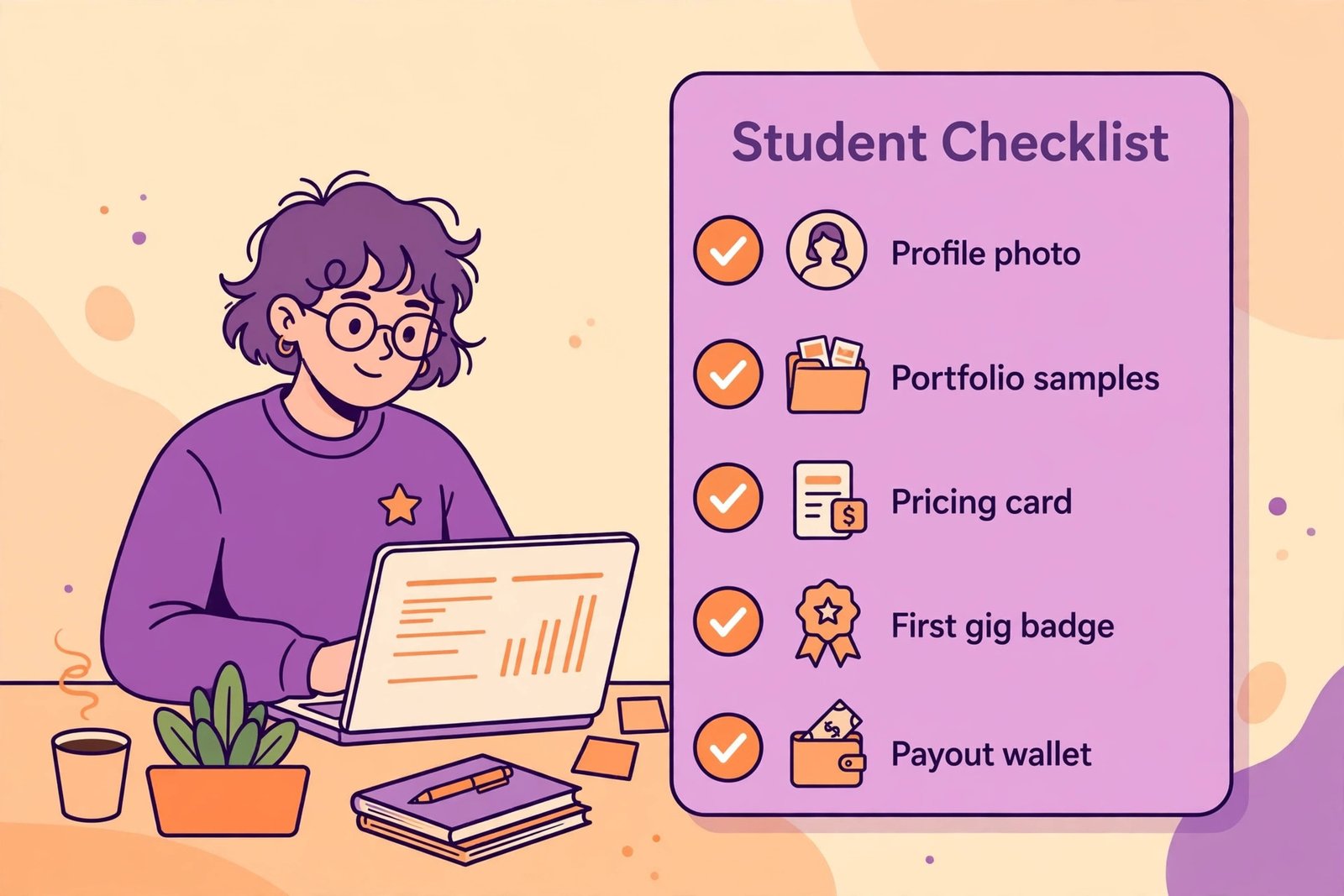
Starting from absolute zero with no portfolio? Begin on Fiverr, where gigs sell themselves. Have portfolio pieces from college projects? Contra keeps every rupee you earn. Ready for bigger clients and you are 18+? Add Upwork. Based in India and want rupee payouts? Add Truelancer. Need structured experience first? Start with Internshala, then freelance. Most successful student freelancers end up on two platforms: one for discovery, one for margin.

- How to Rebuild the Spotlight Index on Mac - October 25, 2026
- How to Change the Screenshot Save Location on Mac - October 24, 2026
- How to Turn Off Stage Manager on Mac - October 23, 2026