
You spot the trip you want, but the price on your phone differs from the price on your laptop by forty dollars. Do you book now or wait? Each of these apps answers that question differently, and knowing which one to trust for what can save you real money.
Key Takeaways
- Hopper has the strongest “book now or wait” predictions, but book through the airline once you know the price.
- Google Flights is the best free research desk: price history, fare tracking, and the Explore map.
- Skyscanner wins for flexible travelers and budget airlines, while Kayak wins for complex itineraries with Hacker Fares.
- Expedia earns its place only when you bundle flight plus hotel. Kiwi.com finds clever self-transfer routes, but they come with real risk.
- Whichever app finds the fare, book it directly with the airline. Direct bookings got travelers resolutions 40% faster during recent disruption waves.
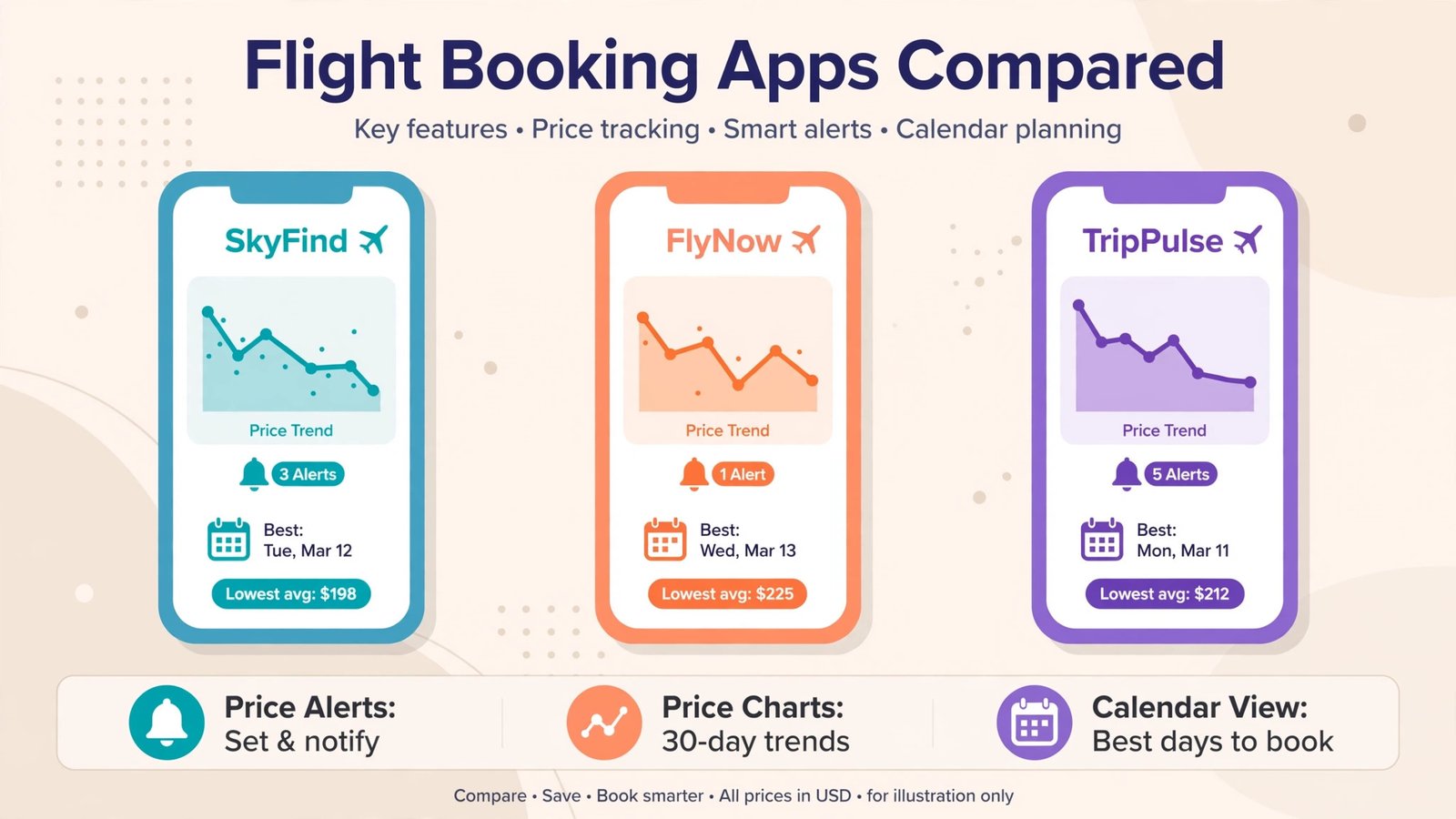
Hopper: Best for Price Predictions
Hopper watches billions of fares and tells you whether to book now or wait, with a claimed accuracy above 95%. Its color-coded calendar and push alerts are genuinely useful: you can get notified the moment a route drops to its predicted floor. It also lets you freeze a fare while you make up your mind, something almost no one else offers.
The honest weakness: predictions are probabilistic, not promises. A fuel-price spike or a sudden schedule cut can blow up the forecast, and booking through Hopper adds a middleman between you and the airline. Use Hopper for the forecast, then buy the ticket from the airline directly.
Skyscanner: Best for Flexible Travelers
If your dates or even your destination are flexible, Skyscanner is the first search to run. Its “Everywhere” search shows the cheapest places you can fly from your home airport, and it indexes smaller budget airlines that Google Flights sometimes misses. Pair it with a solid travel planning routine and the month-view calendar makes spotting cheap days fast.
The honest weakness: Skyscanner routes you through third-party booking agencies of uneven quality, and its crawled prices are more prone to “ghost fares” that jump when you click through. It does rate those agencies with stars, which helps, but cross-check the fare on the airline’s own site before paying.
Kayak: Best for Complex Itineraries
Kayak is the power user’s workbench: multi-city trips, bundles with hotels and cars, and the standout Hacker Fares feature, which builds a round trip from two separate one-way tickets on different airlines. Real travelers have shaved hundreds off family trips this way, especially when saving money on travel is the priority, as long as they build in a generous connection buffer.
The honest weakness: Kayak’s displayed fare does not always survive to checkout. A 2026 review found the shown price matches the final checkout price about 85% of the time on long-haul routes, so roughly one in seven travelers ends up paying more than the search suggested. Treat its numbers as leads, not contracts.
Google Flights: Best for Research and Tracking
Google Flights remains the gold standard for researching a fare. Price History graphs show whether the current price is a deal or a trap, the Explore map turns “I want to go somewhere cheap” into a visual answer, and its near-real-time data produces fewer ghost fares than crawled aggregators. It is free, fast, and works fine in a mobile browser.
The honest weakness: Google Flights does not sell tickets. It hands you off to the airline or an agency at the last step, so a fare you tracked can vanish during the handoff. Its price guarantee features have improved, but they are conditional and not a blanket promise. Set the alert, verify quickly, then book fast.
Expedia: Best for Flight Plus Hotel Bundles
Expedia is not the cheapest way to buy a flight alone, but its package deals, which bundle flights, hotels, and sometimes cars, can undercut booking everything separately thanks to negotiated supplier rates. If you are planning a full trip rather than just a seat, it deserves one comparison search.
The honest weakness: Expedia is an online travel agency, so you inherit every middleman problem: slower support, trickier refunds, and service fees that can erase the savings. For flight-only bookings, it rarely beats the airline’s own site.
Kiwi.com: Best for Clever Self-Transfer Routes
Kiwi.com finds routes other apps will not show you, stitching together separate tickets from different airlines into one itinerary. That “virtual interlining” can genuinely produce fares no single airline offers, and it sells you a guarantee that promises help if a connection goes wrong.
The honest weakness: this is the riskiest way to fly on this list. Self-transfers mean collecting and rechecking bags and buying a new onward ticket if your first flight is late, and traveler complaints about the guarantee’s fine print are well documented. Use Kiwi.com for inspiration, and only book it when the savings are large enough to justify the risk.
How to Get the Cheapest Fare
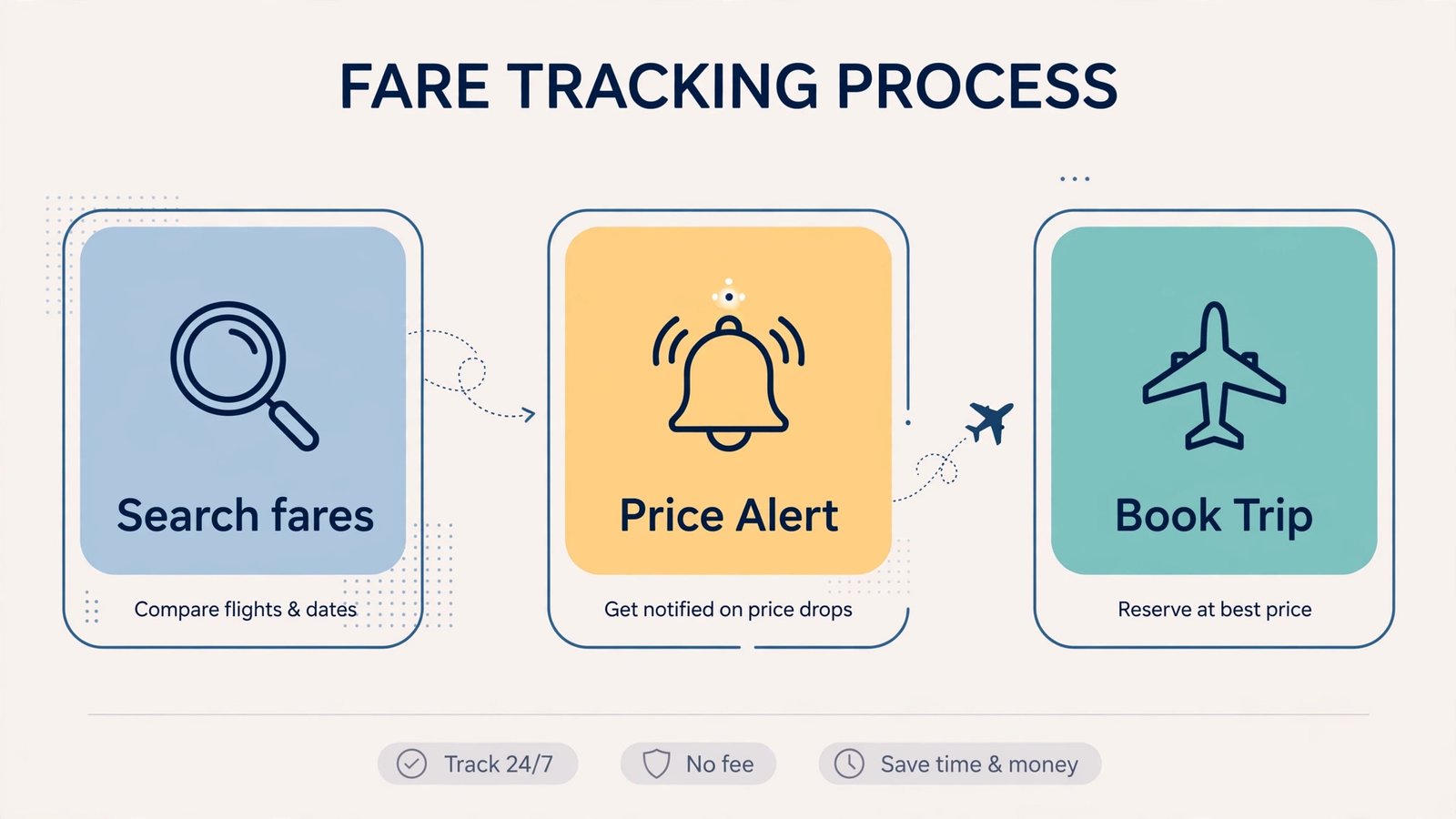
- Set alerts before you need them. Turn on price tracking in Google Flights or Hopper for every route you might fly in the next few months. Deals surface on their schedule, not yours.
- Stay flexible on dates and airports. Shifting by a day or two, or flying from a secondary airport (Newark instead of JFK, Long Beach instead of LAX), routinely saves $50 to $150.
- Reality check on incognito mode. Airlines do not raise prices because they saw you searching. Cookies and browsing history matter far less than demand and timing. Clearing cookies will not hurt, but don’t expect magic.
- Book direct once the app finds the fare. The US legally requires 24-hour free cancellation on direct airline bookings, and you are the airline’s priority customer when things go wrong. Search with the apps, buy from the airline.
Verdict
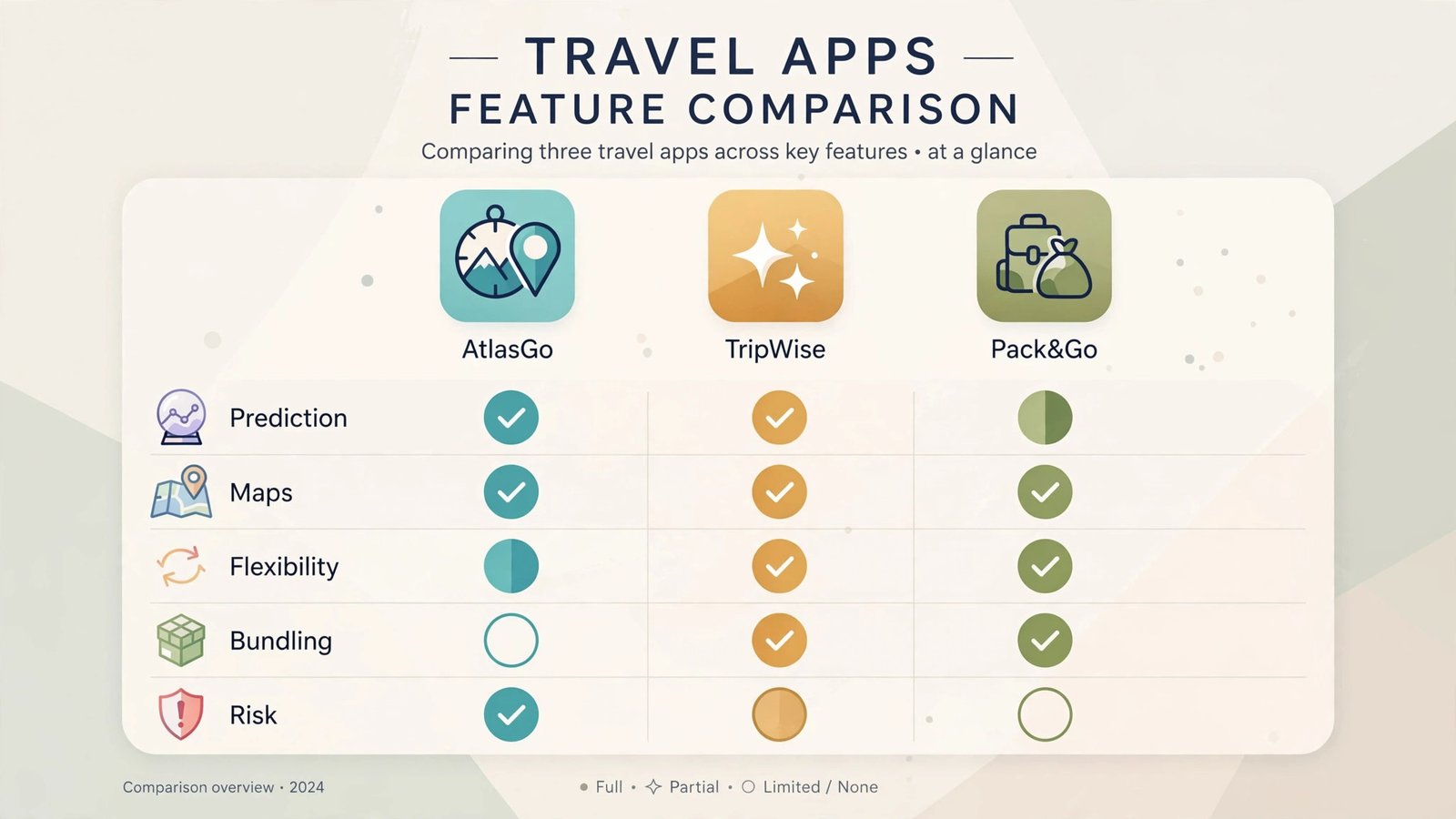
If you want one workflow that actually saves money: research the fare in Google Flights, confirm the trend in Hopper, check Skyscanner for budget alternatives, and then buy directly from the airline. Kayak earns its keep for tricky itineraries, Expedia for packages, and Kiwi.com only when you are feeling lucky. For the full picture, compare with our list of the best travel apps overall. The app finds the deal. The airline sells the ticket.

- How to Change the Screenshot Save Location on Mac - October 24, 2026
- How to Turn Off Stage Manager on Mac - October 23, 2026
- How to Reset Your Private Space PIN on Android If You Forgot It - October 22, 2026