
A dead phone in an unfamiliar city is more than an inconvenience. It means no maps, no translation, no ride-hailing, and no way to contact anyone. A good portable charger is the cheapest travel insurance there is, and as a gift, it is one of those practical presents that gets used on every single trip. These picks cover every type of traveler, from the ultralight backpacker to the business flyer carrying a laptop.
What Matters in a Travel Power Bank
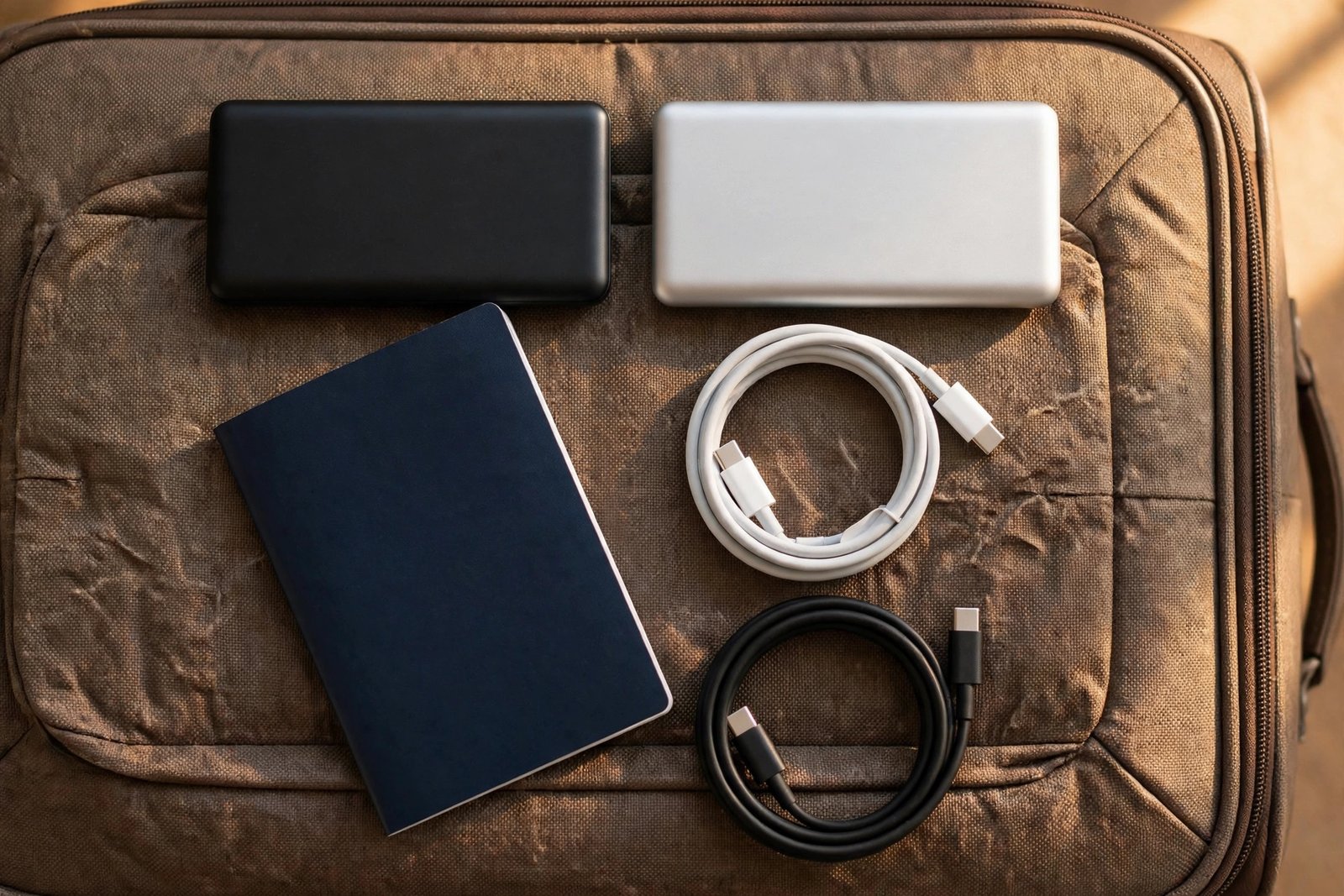
Three specs decide whether a power bank suits travel. Capacity, measured in mAh, determines how many charges you get: 10,000mAh is roughly two phone charges, 20,000mAh is four to five. Wattage determines speed and compatibility: 20W covers phones, 65W handles ultrabooks, 100W or more charges full-size laptops. Weight determines whether it actually leaves the hotel: anything over a pound tends to stay in the bag.
One more critical detail for flyers: the FAA limits spare batteries in carry-on luggage to 100Wh without airline approval. Nearly all power banks under 27,000mAh comply, but giant 40,000mAh+ bricks may be confiscated. Stick to 25,000mAh or below for hassle-free flying.
1. Anker MagGo Power Bank 10K Qi2 (Around $70)
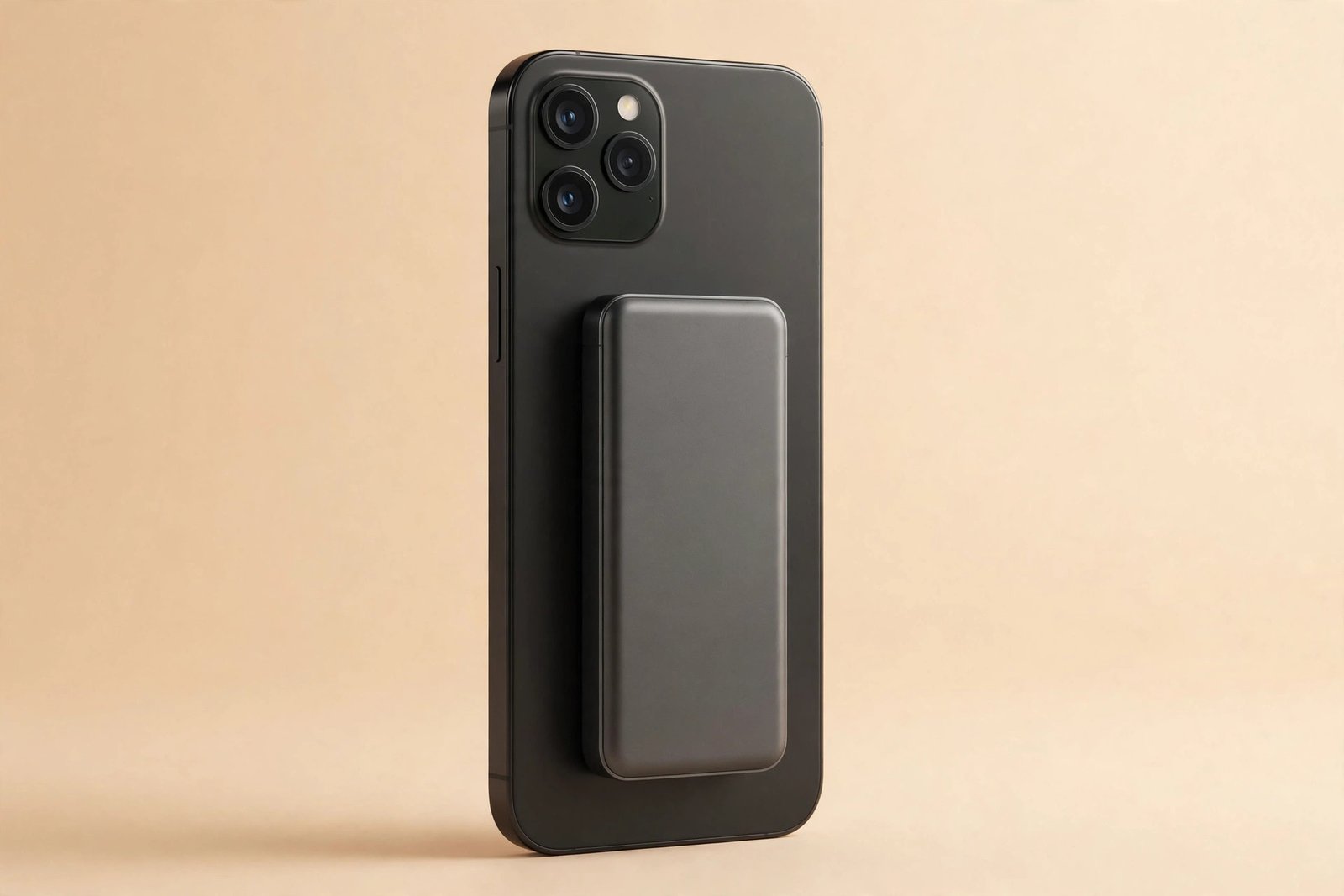
The best gift for iPhone travelers. This 10,000mAh bank snaps magnetically to the back of Qi2-compatible iPhones and charges wirelessly at 15W, no cable needed. It doubles as a phone stand when folded out, handy for video calls from a hotel desk or watching movies on a tray table.
Why it wins for travelers: The magnetic attachment means the phone and charger move as one unit. Slip them into a jacket pocket together and the phone charges while walking through the airport. No cable to tangle, no separate brick to hold. Anker’s Qi2 certification ensures full-speed wireless charging, unlike uncertified magnetic chargers stuck at 7.5W.
Best for: iPhone 15 and newer owners who travel light.
Watch out for: Wireless charging is less efficient than wired, so some energy is lost as heat. Android users need a magnetic case or ring to get the snap-on benefit. At $70, it is a premium gift.
2. INIU 45W 10000mAh Power Bank (Around $20)
The budget travel champion. A 10,000mAh bank with 45W USB-C Power Delivery, meaning it fast-charges phones, tablets, and even some lightweight laptops. It weighs under 200 grams and carries UL2056 safety certification.
Why it wins for travelers: 45W charging at this price and weight is remarkable. It can take a modern phone from empty to around 75% in 30 minutes. The slim profile disappears into a daypack, and the price means it works as a thoughtful gift without a big spend.
Best for: Budget-conscious travelers, students, anyone who wants fast charging without the bulk.
Watch out for: 10,000mAh is about two phone charges, so heavy users on long travel days may want the 20,000mAh picks below. No wireless charging.
3. Anker 737 PowerCore 24K 120W (Around $110)
The serious traveler’s power station. A 24,000mAh bank with 120W total output across two USB-C ports and one USB-A, enough to fast-charge a MacBook Pro, a tablet, and a phone simultaneously. A smart digital display shows real-time wattage per port and estimated recharge time.
Why it wins for travelers: Business travelers and digital nomads carry laptops that cheap power banks cannot touch. The 737 replaces a laptop charger, a phone charger, and a tablet charger with a single brick. At 24,000mAh it stays under the 100Wh airline limit (around 86Wh).
Best for: Business travelers, remote workers, anyone who flies with a laptop.
Watch out for: It weighs over a pound, so it is a bag item, not a pocket item. The price puts it in premium gift territory. Overkill for phone-only travelers.
4. Charmast 10000mAh with Built-in Cables (Around $21)
A 10,000mAh bank with USB-C, Lightning, and micro-USB cables built directly into the body, plus two additional USB ports. The integrated cables eliminate the most annoying part of travel charging: remembering and untangling cords.
Why it wins for travelers: Every traveler has experienced the dead-phone panic compounded by a forgotten cable. Built-in cables remove that failure mode entirely. The three cable types cover iPhones, Android phones, and older accessories in one device.
Best for: Forgetful packers, family travelers charging multiple device types, gift buyers who want maximum convenience per dollar.
Watch out for: Built-in cables are short, designed for pocket and bag use rather than across-the-room charging. Charging speeds are standard, not fast-charge tier.
5. Nitecore NB10000 Gen 3 (Around $60)
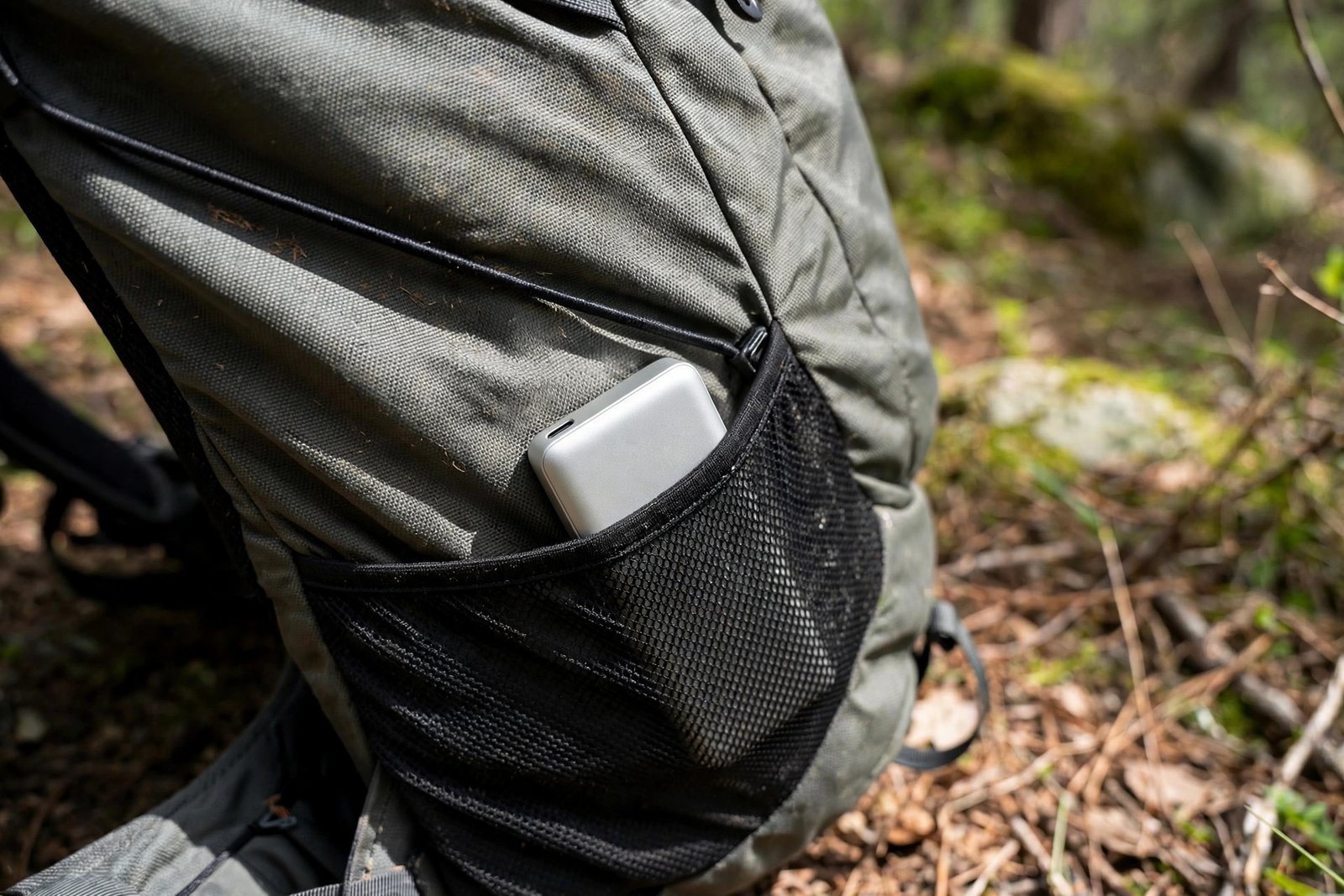
The ultralight specialist. A 10,000mAh bank weighing just 150 grams, roughly half the weight of typical banks at this capacity. Carbon fiber construction keeps it slim and durable.
Why it wins for travelers: Backpackers, hikers, and minimalists count every gram. The NB10000 Gen 3 delivers full 10,000mAh capacity at a weight that disappears into a pocket. It is a favorite in the ultralight hiking community, where it has earned its reputation over several generations.
Best for: Hikers, backpackers, ultralight travelers, runners.
Watch out for: The premium materials command a premium price for the capacity. 20W output covers phones but not laptops. The minimalist design has no display, just simple LED indicators.
6. UGREEN Nexode 12000mAh 100W (Around $45)
The compact high-power sweet spot. A 12,000mAh bank pushing 100W through USB-C, enough for most ultrabooks and all phones and tablets, in a body barely larger than a phone. Frequently recommended by major tech publications in 2026.
Why it wins for travelers: It bridges the gap between phone banks and laptop bricks. Travelers who carry an ultrabook but do not want a pound of battery get real laptop charging in a pocket-friendly size. The 100W output is the threshold where ultrabook charging becomes practical.
Best for: Ultrabook owners, travelers who want one bank for all devices without the weight penalty.
Watch out for: 12,000mAh is about two and a half phone charges, less than the 20,000mAh bricks. Sustained 100W output drains it quickly, so it is best for top-ups rather than full laptop recharges.
Quick Comparison
| Power Bank | Price | Capacity | Max Output | Weight Class |
|---|---|---|---|---|
| Anker MagGo 10K Qi2 | ~$70 | 10,000mAh | 15W wireless | Light |
| INIU 45W 10K | ~$20 | 10,000mAh | 45W | Light |
| Anker 737 24K | ~$110 | 24,000mAh | 120W | Heavy |
| Charmast 10K | ~$21 | 10,000mAh | Standard | Light |
| Nitecore NB10000 Gen 3 | ~$60 | 10,000mAh | 20W | Ultralight |
| UGREEN Nexode 12K | ~$45 | 12,000mAh | 100W | Light |
Buying Advice
Match the bank to the traveler’s devices. Phone-only travelers are well served by any 10,000mAh pick. Laptop carriers need 65W or more, which narrows the field to the Anker 737 and UGREEN Nexode. iPhone users get outsized value from the magnetic MagGo.
Buy from reputable brands. Cheap no-name power banks have been linked to swelling, overheating, and inflated capacity claims. Anker, INIU, UGREEN, Nitecore, and Charmast all have established track records and real safety certifications. The few dollars saved on an unknown brand are not worth the risk in something that sits in a bag next to a passport.
Frequently Asked Questions
Can I bring a power bank on a plane?
Yes, in carry-on luggage only, never in checked bags. The FAA limit is 100Wh per battery without airline approval, which covers all power banks up to about 27,000mAh. Every pick in this guide complies. Keep the bank accessible in case security wants to inspect it.
How many phone charges does 10,000mAh provide?
Roughly two full charges for most modern phones, after accounting for energy lost as heat during charging and voltage conversion. A phone with a 4,500mAh battery will get about 1.8 to 2 full charges from a 10,000mAh bank in real-world use.
What wattage do I need to charge a laptop?
Ultrabooks typically need 45W to 65W, while larger laptops and MacBook Pros want 90W to 140W. Phone-only charging needs just 18W to 30W. Check the wattage printed on the laptop’s original charger and match or exceed it with the power bank.
Are magnetic wireless power banks worth it?
For iPhone users who value convenience, yes. The snap-on design means the phone charges while in a pocket or hand, with no cable to manage. The trade-off is slower charging and some energy loss compared to wired. For maximum speed and efficiency, wired USB-C remains better.

- Windows 11 26H2: What Is New in the 2026 Feature Update - October 15, 2026
- 6 Best Portable Chargers for Travelers in 2026 (Gift Guide) - October 15, 2026
- Best LED Strip Lights for Cozy Rooms in 2026 (Under $30) - October 15, 2026