Best Spam Call Blocker Apps: How to Stop Unwanted Calls Once and for All

Your phone rings constantly. You don’t recognize the number. You answer, and it’s a robocaller trying to sell you something fake. This happens dozens of times a day for millions of people.

Spam calls have become unbearable. The FCC reported over 4.7 billion robocalls in a single year. You’re not alone if you’re exhausted by this.

The good news? A quality spam call blocker app can actually fix this. Not perfectly, but dramatically enough that your phone becomes usable again.

This guide shows you which apps work, how they work, and how to set them up properly. You’ll understand what to expect and what’s actually possible.

How Spam Call Blocker Apps Actually Work

Before choosing an app, you need to understand the basic mechanics. Different apps block calls in different ways.

Pattern Recognition

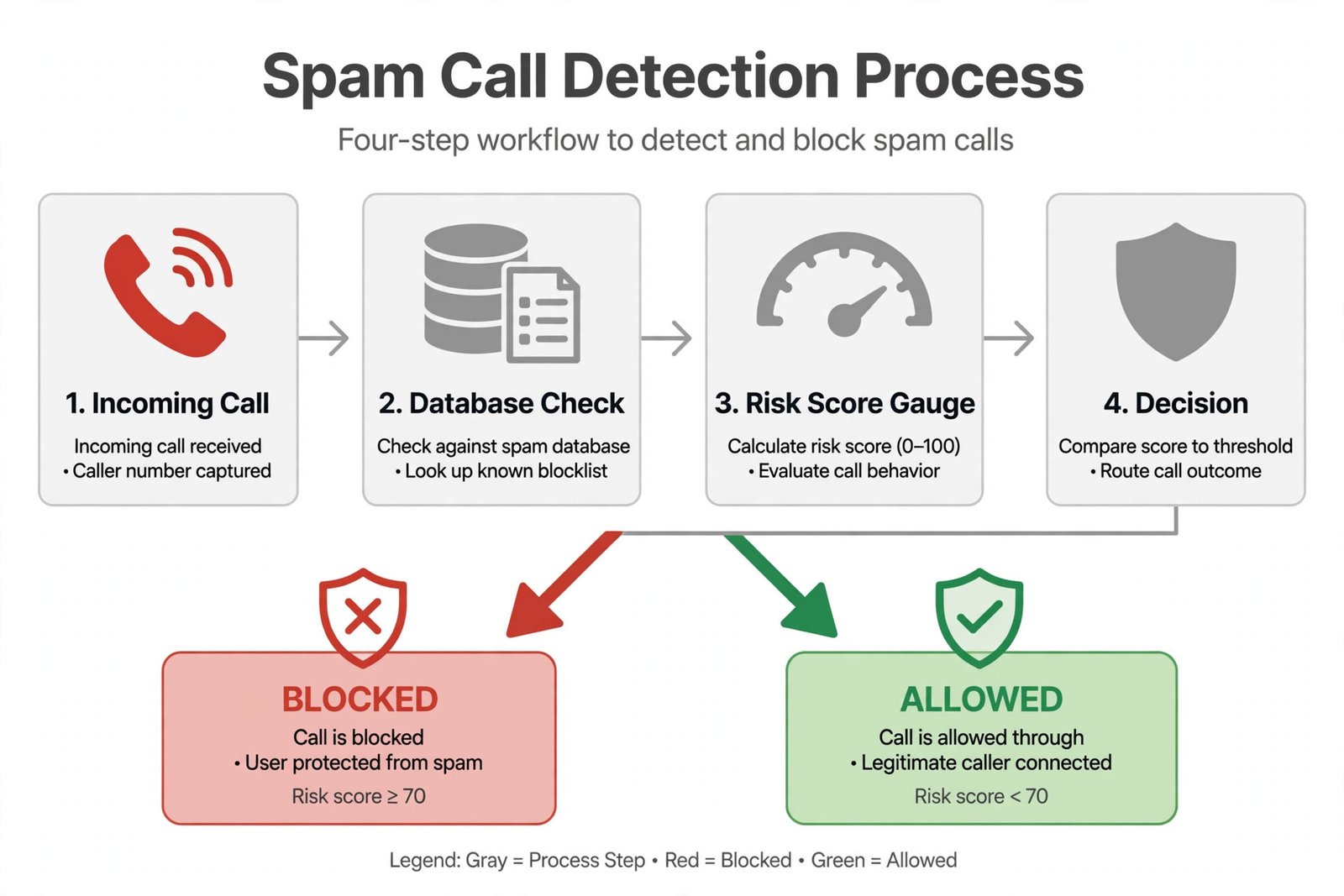
Most blocker apps use databases of known spam numbers. When someone calls, the app checks that number against its database. If it matches, the call gets blocked or sent to voicemail.

These databases get updated constantly. Users report spam numbers. The app adds them to its list. This helps protect other users.

Machine Learning Analysis

Advanced apps use artificial intelligence. They analyze calling patterns. A machine learning model learns what spam looks like versus what legitimate calls look like.

For example, spam calls often come in bursts from similar numbers. They use automated dialers. They don’t behave like normal calls. The AI catches these patterns.

Network Level Blocking

Some carriers offer built-in protection. These systems work at the network level, not just on your device. Calls get filtered before they even reach your phone.

The advantage here is coverage. Network level blocking works on all calls coming through that carrier’s network, not just ones using your specific phone.

Whitelist and Blacklist Systems

You control part of the protection. You can manually mark numbers as spam. You can also whitelist numbers you trust so they always get through.

This manual control is simple but powerful. You’re training the app to understand your specific situation.

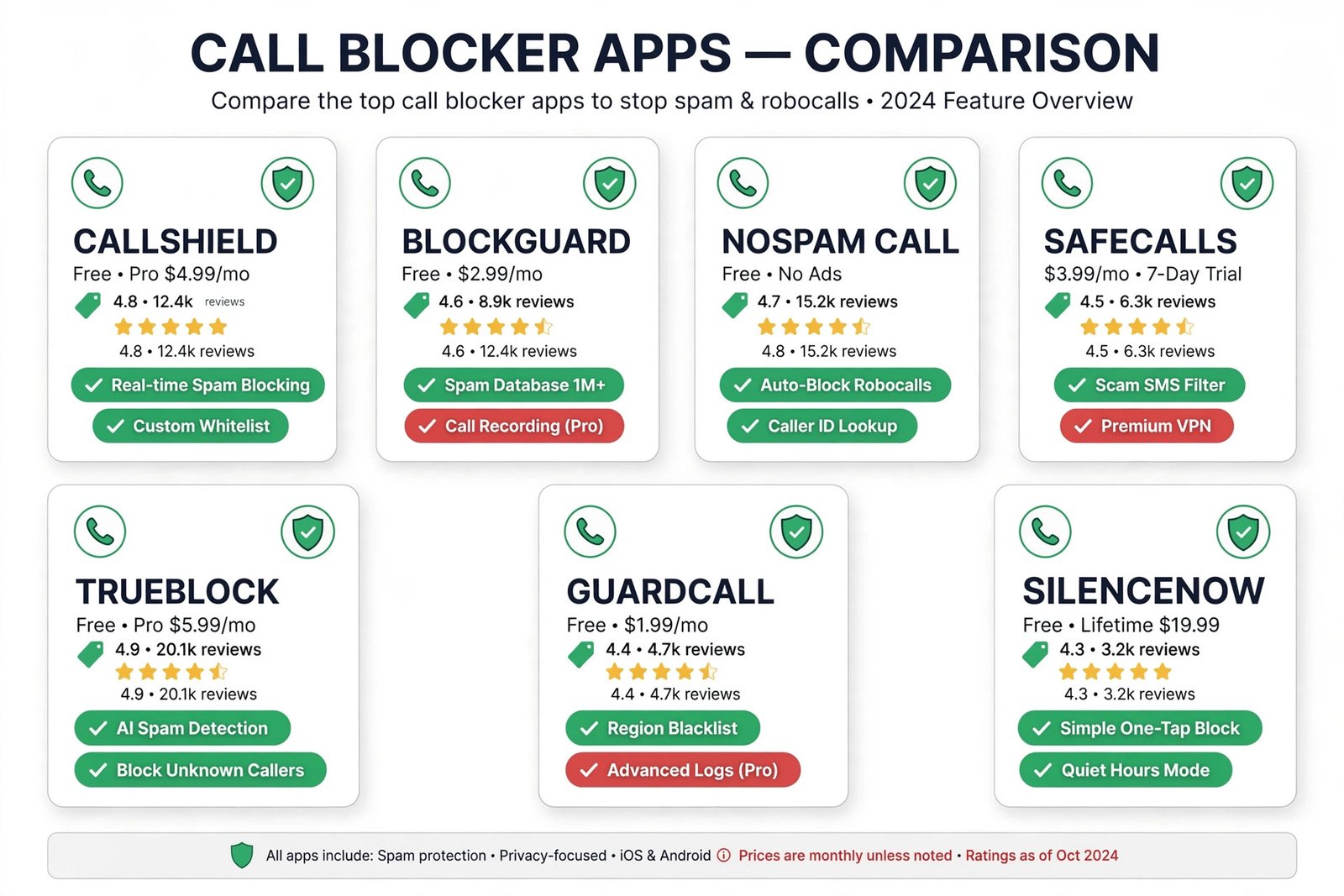
Top Spam Call Blocker Apps That Actually Work

I’m listing apps that have genuine user ratings, real functionality, and honest limitations.

1. Truecaller

What it does well:

Truecaller has the largest caller ID database in the world. Over 500 million users contribute to it. When someone calls, you see their name, even if they’re not in your contacts.

The spam detection catches around 90 percent of spam calls for most users. It identifies unknown business calls. It flags suspected scams.

Real limitations:

The free version has basic features. You see the caller ID. You get basic spam filtering. But you don’t get advanced analytics or call recording in the free tier.

The paid version (Truecaller Premium) costs about $2 per month. You get call recording, advanced analytics, and no ads.

Some users report false positives. Legitimate calls sometimes get marked as spam. This is rare but happens.

Best for:

People who receive many calls from unknown numbers and want to know who’s calling before they answer.

2. RoboKiller

What it does well:

RoboKiller uses audio fingerprinting technology. It literally listens to calls and identifies robocalls by their audio characteristics.

The app blocks 99 percent of robocalls, according to testing. It catches scam calls even if they’re new numbers not yet in a database.

Answer bots are a unique feature. You can let the app answer spam calls and have a conversation with the robocaller. This wastes the scammer’s time and trains the algorithm.

Real limitations:

RoboKiller is subscription only. The basic plan costs about $4 per month. There’s no genuinely free option.

It works best on Android. iOS support exists but works differently due to platform limitations.

Best for:

People who are serious about stopping robocalls and willing to pay for the best technology.

3. Call Control

What it does well:

Call Control is completely free. No paywalls. No limitations based on tier.

It blocks calls based on community reports. When enough people mark a number as spam, it gets added to the blocklist. New updates happen hourly.

The app is lightweight. It doesn’t drain your battery or slow your phone down.

Real limitations:

Being free means fewer resources for development. Updates are regular but not as frequent as premium apps.

The database relies entirely on user reports. If a new spam number hasn’t been reported yet, it might slip through.

Best for:

Budget conscious users who want effective spam blocking without spending money.

See also  Best Sleep Trackers: Guide to Finding What Actually Works for Your Sleep

4. Nomorobo

What it does well:

Nomorobo actually works at the carrier level for VoIP users. If you use a VoIP phone service, Nomorobo can integrate directly.

For regular phone users, the app uses predictive blocking. It learns from user behavior and blocks calls that look like spam.

The database includes over 1 billion known spam numbers.

Real limitations:

The integration varies by carrier and phone type. Not all carriers support it equally.

On standard phone lines, it’s less powerful than on VoIP systems.

Best for:

VoIP users or people with landlines where carrier integration is available.

5. Should I Answer

What it does well:

This app uses a crowdsourced rating system. Real users rate incoming calls. Thumbs up means it’s legitimate. Thumbs down means it’s spam or annoying.

The interface shows you ratings before you answer. You see how many people marked a call as spam.

It’s free and simple. No confusing features.

Real limitations:

The effectiveness depends entirely on community size. In less populated areas, ratings might not exist for many numbers.

It’s reactive rather than predictive. It catches spam that users have already reported.

Best for:

People who like community driven solutions and want to see what others think before answering.

Features at a Glance

AppFree OptionRobocall Block RateCaller IDCall RecordingBest For
TruecallerYes, basic85-90%ExcellentPaid onlyUnknown caller ID
RoboKillerNo99%GoodYesMaximum robocall blocking
Call ControlYes, full90%BasicNoBudget users
NomoroboYes92% (VoIP better)BasicNoVoIP users
Should I AnswerYes88%Community ratedNoCommunity feedback

Step by Step Setup for Maximum Protection

Setting up an app correctly makes a massive difference. Most people install them and leave default settings. You can do better.

Step 1: Choose Your App

Start with your specific need. Are you getting mostly robocalls or scam calls? Use RoboKiller. Do you want free unlimited protection? Use Call Control. Want the best caller ID information? Use Truecaller.

Most people benefit from trying two apps simultaneously. They catch different spam patterns.

Step 2: Install and Grant Permissions

Download from your official app store. Google Play or Apple App Store, not sketchy websites.

When the app asks for permissions, grant them fully. These apps need access to your call log to work. They need permission to block calls. They need microphone access for some features.

Don’t use permission restrictors. They prevent the blocker from working effectively.

Step 3: Import Your Contacts

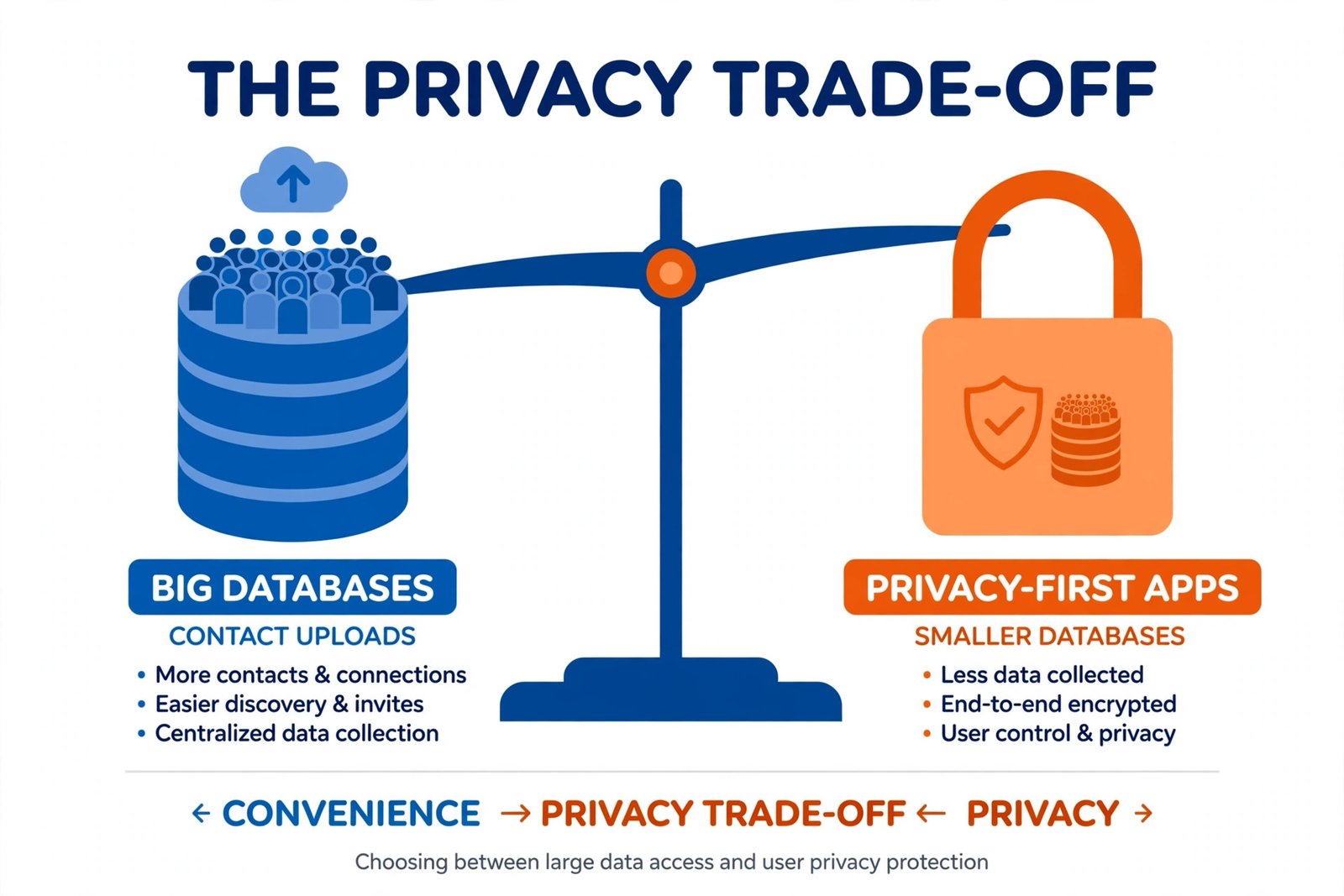
Let the app access your contact list. This prevents blocking calls from people you know.

Some apps use this to understand your calling patterns. Others just use it to protect your friends and family from being blocked.

Step 4: Configure Your Whitelist

Add numbers you always want to ring through. Your doctor’s office. Your kids’ school. Your workplace.

This prevents the app from ever blocking these numbers, even if they somehow get flagged.

Step 5: Review Block Settings

Don’t use the most aggressive setting immediately. Start with medium filtering.

After a week, check what got blocked. Are there false positives? Adjust the sensitivity down slightly.

This calibration period takes five to seven days. It’s worth the effort.

Step 6: Enable Do Not Disturb Integration

Most phones have a Do Not Disturb mode. Configure your blocker to let calls through that you’ve whitelisted, even when Do Not Disturb is on.

This prevents missing important calls while still blocking spam when you need quiet time.

What These Apps Actually Block (And What They Don’t)

Be realistic about what spam call blockers can do. Understanding limitations prevents disappointment.

What They Block Well:

Robocalls from automated systems. These are predictable. Machines have patterns. Apps are good at finding patterns.

Known scam operations. When a scam number gets reported enough times, it gets blocked.

Spoofed numbers. Some apps detect when a caller is hiding their real number behind a fake one.

Sequential spam. When spam calls come from similar numbers in sequence, the apps catch the pattern.

What They Struggle With:

First time scammers. A brand new scam number with no history yet might slip through.

One-off calls from real people who have malicious intent. Someone calling once to scam you specifically.

Spoofing legitimate businesses. When a scammer uses a real company’s number as cover.

International calls that look legitimate. Especially common from overseas scam operations.

What They Absolutely Cannot Do:

Block callers who are using real business numbers they hacked. The call looks legitimate because it technically is coming from a legitimate source.

See also  Fix CredSSP Encryption Oracle Remediation Error in Remote Desktop: Quick Solution Guide

Stop phishing texts. Most blockers focus on calls. Text messages are different.

Prevent calls if you’ve given out your number to a company that sells lists to scammers. The call isn’t technically spam.

Block calls from people you know personally. The app has no way to know they’re calling with malicious intent.

Your Carrier Might Already Have Protection

Before installing a third-party app, check what your carrier offers.

Verizon Call Filter

Verizon built-in protection is free for basic filtering. Paid version costs about $3 per month.

It blocks calls based on Verizon’s network analysis. Works automatically without needing a separate app.

AT&T Call Protect

Free version available. AT&T’s system identifies spam calls and shows you before you answer.

Paid version includes call recording and advanced filtering.

T-Mobile Scam Shield

T-Mobile’s built in protection is free. It stops most spam calls before they even reach your phone.

This network-level blocking is actually very effective.

Carrier + App Approach

Here’s what actually works best: Use your carrier’s built-in protection plus one good third-party app.

Your carrier catches what the network can see. The third-party app catches additional patterns. Together, they’re more effective than either alone.

The carrier protection runs silently in the background. Your app handles the rest. No conflicts. Better results.

Advanced Tips That Actually Make a Difference

These techniques work when combined with your blocker app.

Register with the Do Not Call Registry

The FTC’s Do Not Call Registry stops legitimate telemarketers. Spam scammers ignore it, but legitimate businesses must respect it.

Visit donotcall.gov to register your number. It takes one minute.

Stop Giving Out Your Real Number

When ordering something, signing up online, or using a service, ask if you can use a different number.

Many services let you use a secondary number. Use a Google Voice number instead of your real number when possible.

Never Confirm Your Number

When a spam call asks “Is this [your number]?” don’t confirm it. Say nothing. Hang up.

Confirming your number tells scammers they reached a real person. Your number becomes more valuable. More spam follows.

Don’t Text Back

When you get spam texts asking you to confirm information or click a link, delete them.

Responding confirms your number is active. You’ll receive more spam.

Use Voicemail Screening

Modern phones let voicemail screen calls. Callers hear a prompt to leave a message. You see the transcription before deciding if you want to call back.

This catches a lot of spam because scammers rarely leave messages.

Report to Your Carrier

Forward spam texts to your carrier. Verizon uses 7726. AT&T uses 7726. T-Mobile uses 7726.

They all use the same code. Forward the spam message there. The carrier analyzes patterns.

Report to the FTC

For scam calls specifically, report them to the FTC at reportfraud.ftc.gov.

The FTC doesn’t take action on individual complaints. But patterns matter. Enough reports lead to law enforcement action.

Cost Comparison: What You’ll Actually Pay

Let’s be honest about pricing.

Free Apps:

Call Control: Completely free
Should I Answer: Completely free
Nomorobo: Free (with paid options)
Truecaller: Free basic version

Cost to you: $0

Budget Apps ($1-3 per month):

Truecaller Premium: About $2 per month
Nomorobo Premium: About $2 per month

Cost to you: $24 to $36 per year

Premium Apps ($3-5 per month):

RoboKiller: About $4 per month
Call Control Premium: About $5 per month

Cost to you: $48 to $60 per year

Carrier Integration (varies):

Most carriers: Free to $3 per month

Cost to you: $0 to $36 per year

The Real Math:

Premium apps save you from spending time and stress dealing with spam. If you spend 30 minutes a week managing spam calls, a $5 per month app pays for itself easily.

Most people find that one free app plus carrier protection is enough.

Some people benefit from one premium app if they’re getting extreme amounts of spam.

Mobile Platform Differences

Apps work differently on Android versus iPhone due to how the platforms handle calls.

Android

Android lets apps intercept calls at the system level. They can block calls before your phone even rings.

They can access your call logs completely. They can integrate more deeply.

This is why most spam blocking apps perform better on Android.

Better call blocking options overall.

iPhone

iPhone limits how much apps can do with calls. Apple restricts system level access for privacy and security reasons.

Apps can filter calls after they come in, but not prevent them from ringing at all.

See also  How to Restore Old Damaged Photos: Guide for 2026

Call screening works, but it’s less aggressive than Android.

Native iOS features like Do Not Disturb and Silence Unknown Callers are powerful alternatives.

What This Means For You:

If you’re on Android, install a dedicated blocking app. You’ll get better results.

If you’re on iPhone, combine Silence Unknown Callers setting with a call filtering app.

iPhone’s native filtering is actually quite good. You might not need a premium app.

Red Flags to Watch For

Some apps claim to be spam blockers but aren’t what they seem.

Apps That Want Money Upfront

Be cautious of apps that cost $10 or more immediately. Legitimate blockers cost $3-5 monthly or are free.

Apps that use aggressive upselling in the free version often perform worse than they claim.

Apps With Bad Reviews

Read the actual reviews on the app store. Don’t just look at star ratings. Read what people say.

If reviews mention battery drain, crashes, or false positives, avoid that app.

Apps That Want Too Many Permissions

Your spam blocker needs access to call logs and contacts. That’s reasonable.

If it wants access to your photos, location, or financial apps, skip it. That’s unnecessary.

Apps with No Clear Developer

Check who made the app. Is it a known company? Can you find information about them?

Small indie developers make good apps. Completely unknown developers with no web presence are risky.

Apps That Cost But Don’t Deliver

If an app has been out for years and still gets complaints about spam getting through, it’s not working.

Newer apps sometimes perform better than established ones. Don’t assume age means quality.

How Often These Apps Actually Work

Real world effectiveness matters more than marketing claims.

For Robocalls:

Most good apps block 85 to 95 percent of robocalls. Not 100 percent. Real world is never perfect.

Some slip through because they’re brand new numbers. Some slip through because the call didn’t perfectly match the spam pattern.

For Scam Calls:

Blocking scam calls is harder than robocalls. Scammers use real people, not just automation. They’re more unpredictable.

Good apps catch 80 to 90 percent of known scams.

For Unknown Legitimate Calls:

This is where it gets tricky. A call from a business you’ve never heard of might get flagged as spam when it’s actually legitimate.

Good apps keep false positives under 5 percent. That means out of every 100 unknown calls, fewer than 5 are legitimate calls wrongly blocked.

What Actually Happens:

Your call volume goes from 40 to 50 spam calls per week down to 3 to 8 spam calls per week.

You still get spam sometimes. But it’s manageable instead of overwhelming.

You almost never miss important calls because the whitelist and carrier integration prevent that.

Real User Experiences

What do actual users report?

After One Week of Use:

Noticeable difference. Most spam calls don’t even ring through.

People report fewer interruptions. Fewer calls during dinner time.

After One Month of Use:

Major difference. The app has learned your patterns. False positives drop.

Most people report it’s worth their time to set up properly.

After Three Months of Use:

Dramatic change. Spam calls are a minor annoyance, not a constant problem.

People who were getting 30+ spam calls per week report getting 3 to 5.

People typically stick with their chosen app long term.

Combining Multiple Strategies

The most effective approach uses layers.

Layer 1: Carrier Protection

Turn on your carrier’s built-in spam filtering. This is automatic.

Layer 2: Phone Settings

Enable Silence Unknown Callers on iPhone or similar features on Android.

Layer 3: Dedicated App

Install either a free or premium blocker app based on your needs.

Layer 4: Manual Control

Mark spam numbers as spam. Block specific numbers you know are scams.

Layer 5: Behavior

Don’t answer unknown numbers. Let them go to voicemail. Check the voicemail.

Real people leaving messages call back. Scammers rarely do.

This five-layer approach stops more spam than any single tool.

When to Consider Switching Apps

You don’t need to be loyal to one app forever. Switch if:

Your Spam Gets Worse

If spam calls increase after three months, the app isn’t learning. Try a different one.

You Get Too Many False Positives

If legitimate calls get blocked regularly, the settings are too aggressive. Try adjusting sensitivity first. If that doesn’t help, switch apps.

Lokesh Sharma
Scroll to Top