Best Windows Live Mail Alternatives: A Practical Guide to Finding Your Next Email Client

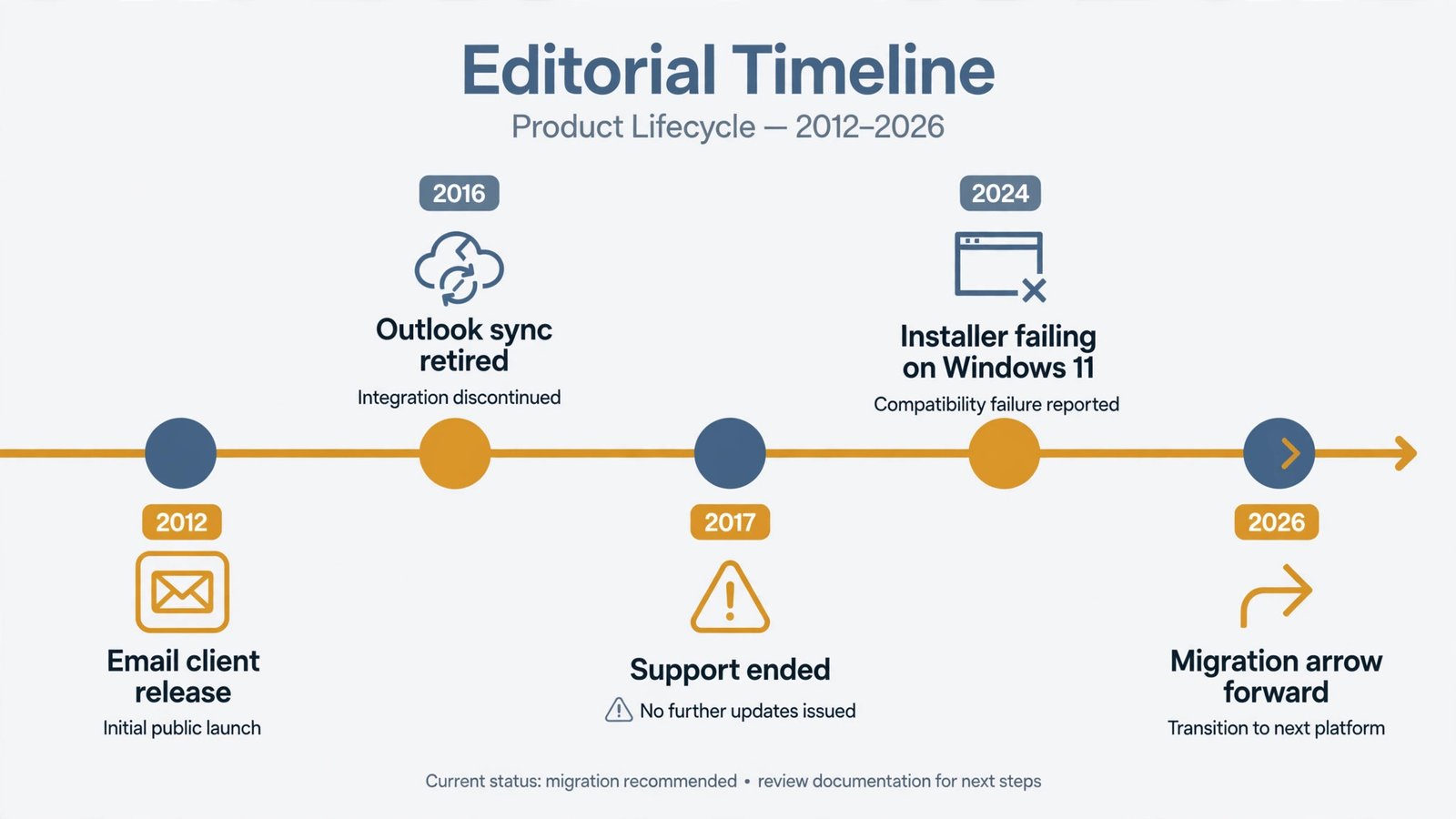
Windows Live Mail stopped getting updates in 2017 and Microsoft removed it from Windows 10 completely. You need to switch. Your best options depend on what you need. If you want simplicity, try Thunderbird. If you want cloud storage and reliability, use Outlook.com or Gmail. If you want to keep emails organized locally, consider eM Client. Each solves different problems.

Why You Need to Switch From Windows Live Mail Right Now

Microsoft ended support for Windows Live Mail years ago. This means no security patches, no bug fixes, and no new features. Your computer gets riskier every day you keep using it.

The program still works on older Windows versions. But it’s not safe anymore. Hackers find new weaknesses in old software all the time.

Windows 10 and Windows 11 don’t even let you install it properly. The program causes crashes and freezes on modern systems.

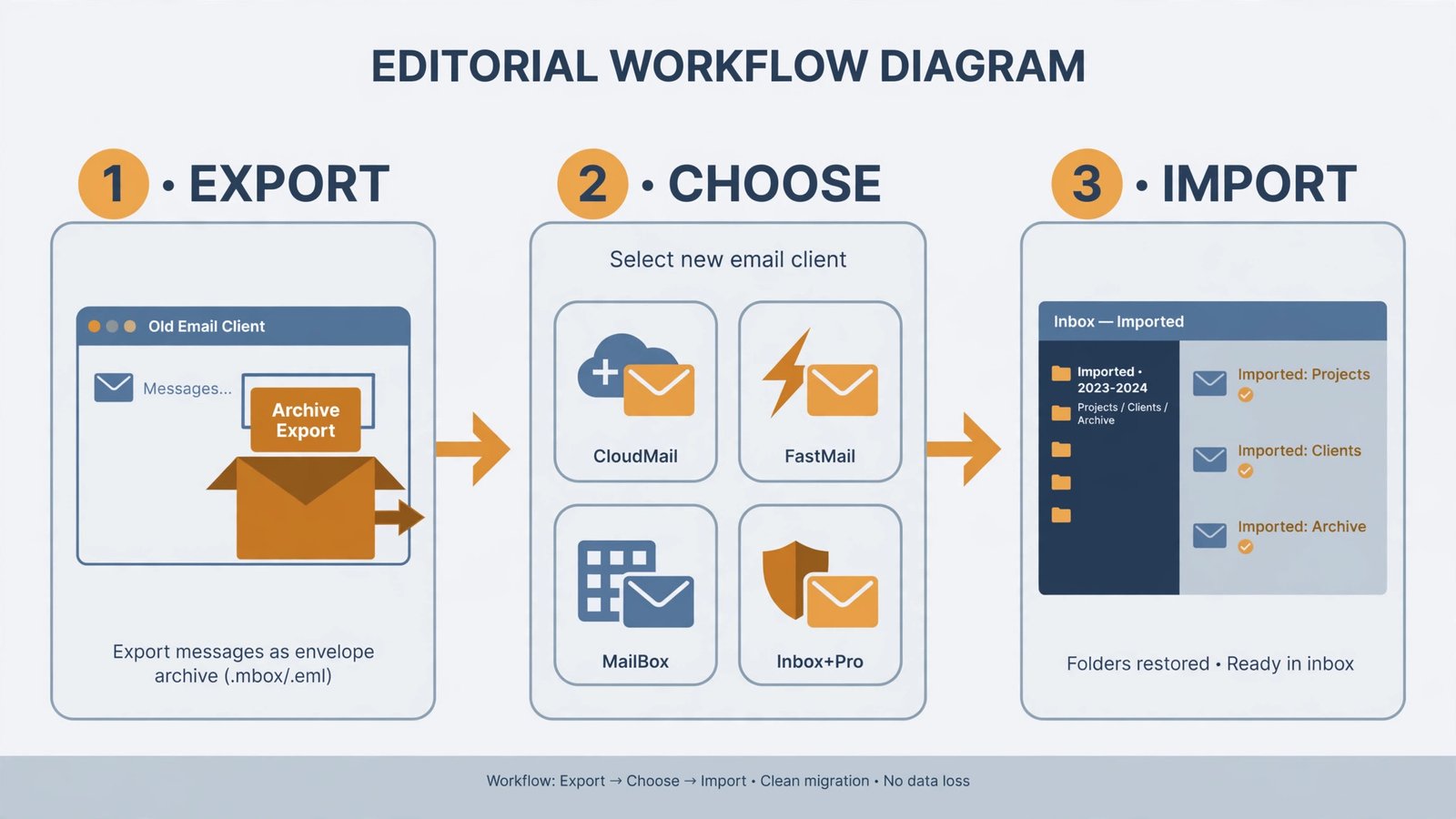
If you have old emails in Windows Live Mail, you can export them. Most alternatives let you import those emails easily.

Understanding Your Email Needs Before Switching

Different email clients do different things. You need to know what matters to you.

Do you need local storage? Some people want emails saved on their computer. Others prefer cloud backup only.

How many email accounts do you manage? Simple users with one account have different needs than business people with five accounts.

Do you want calendar and contact tools? Email isn’t always just about messages anymore.

How much technical skill do you have? Some programs need setup work. Others work right away.

What devices do you use? Phone, tablet, and computer users need different solutions.

Take a minute to think about these questions. Your answer determines which alternative fits best.

Top Windows Live Mail Alternatives Compared

Mozilla Thunderbird: Best for Local Email Storage

Thunderbird is the closest replacement to Windows Live Mail. Many people switch here first.

Why it works well:

  • Completely free and open source
  • Stores emails on your computer
  • Supports unlimited email accounts
  • Works with Gmail, Outlook, Yahoo, and others
  • Has calendar and contact management built in
  • No ads or subscriptions
  • Windows, Mac, and Linux compatible

Setup process:

  1. Download Thunderbird from mozilla.org
  2. Open the program
  3. Click “Create a new account”
  4. Enter your email and password
  5. Thunderbird finds your email provider’s settings automatically
  6. Your emails download within minutes

Potential downsides:

The interface looks old compared to modern email apps. Some people find the menus confusing at first. But the learning curve is short.

Calendar functions are basic. If you need advanced scheduling, look elsewhere.

Thunderbird is offline by default. You only see emails that downloaded to your computer. This can fill your hard drive if you save years of emails.

Cost: Free

Best for: People who want their emails saved locally and don’t want to pay monthly fees.

Outlook Desktop: Best for Microsoft Ecosystem Users

If you use Windows, OneDrive, Teams, and Office, Outlook Desktop makes sense.

Why it works well:

  • Integrates perfectly with your Microsoft account
  • One-click setup for Outlook.com and corporate accounts
  • Syncs with OneDrive automatically
  • Calendar, tasks, and contacts all connected
  • Modern, clean interface
  • Works offline too
  • Mobile app keeps everything synced

Setup process:

  1. Download Outlook from microsoft.com
  2. Open the program
  3. Click “File” then “Add Account”
  4. Enter your Microsoft email
  5. Password fills in automatically if you’re signed into Windows
  6. Done in under one minute

Potential downsides:

Outlook costs money if you want the full version ($70 per year). The free web version (Outlook.com) is limited. Desktop is part of Microsoft 365 subscription.

If you don’t use Microsoft products, the integration doesn’t help you.

Newer versions require Windows 10 or higher.

Cost: Part of Microsoft 365 ($70-$100 per year) or free web version

Best for: Windows users who already pay for Microsoft 365.

Gmail with Inbox by Gmail Browser: Best for Cloud-First Users

Gmail isn’t an email client you install. It’s a web service. But it’s powerful and free.

Why it works well:

  • Free and unlimited storage
  • Works on any device instantly
  • Mobile app is excellent
  • Powerful search that actually finds emails
  • Automatic spam filtering is best in class
  • Never needs manual updates
  • Google Drive integration for attachments
See also  Fix "Sysprep Was Not Able to Validate Your Windows Installation" Error: Complete Solution Guide

Setup process:

  1. Go to gmail.com
  2. Click “Create account”
  3. Follow the prompts
  4. You’re done
  5. No installation needed

How to access old emails:

If you want to move Windows Live Mail emails to Gmail:

  1. Export from Windows Live Mail as .eml files
  2. Use Google Takeout to import them
  3. Or use a tool like Thunderbird to Gmail migration

Potential downsides:

You own nothing. Google controls your account. They can change terms or shut it down.

The interface is web-based. Some people miss the desktop client feeling.

Your emails live in Google’s data centers. Privacy-conscious users might worry.

Gmail reads your emails to show targeted ads in the free version.

Cost: Free with ads, or Gmail through Google Workspace ($6 per month for business)

Best for: People who want simplicity and don’t mind web-based email.

eM Client: Best for Local Storage with Modern Features

eM Client bridges the gap between Thunderbird and cloud services.

Why it works well:

  • Modern, clean interface
  • Stores emails locally on your computer
  • Calendar and tasks are better than Thunderbird
  • Syncs with Gmail, Outlook, and others
  • Supports unlimited accounts on free version
  • Works offline smoothly
  • Windows and Mac versions available

Setup process:

  1. Download from emclient.com
  2. Install the program
  3. Click “Add account”
  4. Choose your email provider or enter details manually
  5. Emails sync automatically

How to import old emails:

  1. Export from Windows Live Mail as .eml or .pst files
  2. In eM Client, go to “File” then “Import”
  3. Select the files
  4. eM Client processes them automatically

Potential downsides:

The free version is generous but limits features. You can use unlimited accounts, but professional features cost $100 one-time purchase.

Takes more hard drive space since emails store locally.

Not as lightweight as Thunderbird.

Cost: Free basic version, $100 one-time for professional features

Best for: People who want modern design with local email storage and better calendar tools.

Apple Mail: Best for Mac Users Only

If you switched to Mac or plan to, Apple Mail comes built in.

Why it works well:

  • Already installed on every Mac
  • Nothing to download or set up
  • Syncs with iCloud automatically
  • Works with Gmail and Outlook too
  • Excellent integration with Mac Calendar and Contacts
  • Clean, simple interface
  • No cost

Setup process:

  1. Open Mail from Applications folder
  2. Click “Mail” menu then “Preferences”
  3. Click “Accounts”
  4. Add your email address
  5. Apple fills in settings automatically

Potential downsides:

Windows users can’t use it. Mac only.

Organization features are basic compared to Outlook.

Searching old emails can be slow on large mailboxes.

Cost: Free (included with Mac)

Best for: Mac users who want a simple, free email solution.

Mailbird: Best for Windows Users Who Want Elegance

Mailbird is a newer email client designed specifically for Windows.

Why it works well:

  • Beautiful, modern interface
  • Lightweight and fast
  • Integrates with Slack, Todoist, and other tools
  • Supports unlimited accounts
  • Dark mode available
  • Windows and Mac versions
  • Stores emails locally

Setup process:

  1. Download from getmailbird.com
  2. Install on Windows
  3. Launch and add account
  4. Choose email provider
  5. Sync begins automatically

Potential downsides:

Costs money after free trial. Not free like Thunderbird.

Less mature than Thunderbird. Smaller team behind it means fewer updates sometimes.

The free trial is limited. After 30 days, you pay $60 one-time or subscribe.

Cost: Free trial, then $60 one-time or subscription option

Best for: Windows users who want a modern interface and don’t mind paying.

Quick Comparison

Here’s how these alternatives stack up:

FeatureThunderbirdOutlook DesktopGmaileM ClientApple MailMailbird
Free VersionYesNoYesYesYes30 days
Local StorageYesYesNoYesPartialYes
Multiple AccountsYesYesYesYesYesYes
CalendarBasicAdvancedBasicGoodGoodBasic
WindowsYesYesWebYesNoYes
MacYesYesWebYesYesYes
Setup Time5 min1 min2 min5 min1 min5 min
Learning CurveLowLowVery LowLowVery LowLow
PrivacyGoodMediumLowGoodGoodGood

How to Export Your Emails From Windows Live Mail

Before switching, get your old emails out safely.

See also  How to Safely Delete the System Reserved Partition in Windows

Step 1: Back up your data

  1. Open Windows Live Mail
  2. Go to “File” menu
  3. Click “Export” then “Email Messages”
  4. Choose where to save the folder
  5. Select all emails or specific folders
  6. Click “Export”

This creates .eml files (standard email format).

Step 2: Choose your format

Windows Live Mail stores data in a folder structure. You have options:

  • Export as .eml files (works with most clients)
  • Export as .pst files (better for Outlook)
  • Copy the entire Windows Live Mail folder (advanced)

Step 3: Import into your new client

Each program handles imports differently:

Thunderbird: File > Import > choose eml or pst files > select folder > done

Outlook Desktop: File > Open & Export > Import/Export > Outlook data file > choose your backup

Gmail: Use Google Takeout or a migration tool for larger mailboxes

eM Client: File > Import > choose source > select files > begin import

The process usually takes 15-30 minutes depending on how many emails you have.

Transitioning Without Losing Anything

Switching email clients feels risky. But it doesn’t have to be.

Week 1: Set up your new client

Install your chosen alternative. Add your current email account. Let it sync completely. Don’t delete anything yet.

Check that new emails arrive properly. Send a test email to yourself. Make sure it appears in your new client.

Week 2: Import your old emails

Export from Windows Live Mail using the steps above. Import into your new client. Verify the emails are there and readable.

Check that attachments came through correctly. Look at a few old emails to make sure nothing broke.

Week 3: Change your habits

Start using only the new client. Stop checking Windows Live Mail.

Update any saved passwords or bookmarks that point to email.

Week 4: Confirm everything works

Make sure you haven’t missed any emails. Check spam folders in the new client. Adjust filters if needed.

Only after you’re completely sure everything works, uninstall Windows Live Mail.

Special Considerations for Different Users

For Business Users

Business needs are different from personal email use.

Consider Outlook Desktop if your company uses Microsoft 365. Integration with Teams, SharePoint, and OneDrive matters.

Price isn’t the issue since your employer pays. Compatibility with work systems is everything.

Security matters more. Make sure your alternative supports two-factor authentication. Check if your company requires specific security settings.

For Privacy-Conscious Users

Some people don’t want their emails read by tech companies.

Choose Thunderbird and host your own email server, or use a privacy-focused email provider.

ProtonMail is an alternative to consider. It encrypts emails end-to-end. You own your data. But it costs $60+ per year.

Tutanota is another private email option. Similar encryption features. Similar cost.

Regular Gmail isn’t private. Google scans emails for advertising. If privacy matters, avoid it.

For Mobile Users

If you check email mostly on phone, cloud solutions make more sense.

Gmail works perfectly on iPhone and Android. One app handles everything.

Outlook mobile is also excellent. Syncs with your desktop version instantly.

Thunderbird has limited mobile support. Better for desktop-only users.

eM Client doesn’t have a mobile app. You’d need web access.

For Users With Multiple Email Accounts

Managing five or ten email accounts needs a solution that handles complexity.

Thunderbird supports unlimited accounts. Switch between them instantly.

Gmail with multiple accounts is clunky. You can add extra accounts, but switching is slow.

Outlook Desktop handles multiple accounts well. Unified inbox shows everything at once.

eM Client displays all accounts cleanly. Search across all accounts simultaneously.

Mailbird designed specifically for multi-account users. The free trial is worth testing if this is you.

For Users On Older Computers

Older hardware struggles with modern software.

Thunderbird is lightweight. Works fine on computers from 2012 or earlier.

Gmail web version works on any computer with a browser. No installation needed.

Outlook Desktop requires Windows 10 or higher. Not good for older systems.

eM Client needs reasonable specs. Maybe too heavy for very old computers.

See also  Fix: RDP Can't Connect to Remote Computer (8 Solutions)

Mailbird also needs decent specs. Better for newer machines.

Solving Common Problems After Switching

Problem 1: Not Receiving Emails

Why this happens: New client isn’t connected properly to your account.

Solution:

  1. Check that you entered your password correctly
  2. Verify your email provider settings in the client
  3. Check email provider’s security settings (sometimes they block new clients)
  4. Restart the application
  5. Some providers like Gmail need an “app password” (not your regular password)

Problem 2: Emails Downloaded But Attachments Missing

Why this happens: Import process sometimes skips attachments.

Solution:

  1. Re-import only emails with attachments
  2. If original files still exist on your computer, save them separately
  3. Try a different import method (eml vs pst format)
  4. Check if files are too large (some clients limit attachment size)

Problem 3: Slow Searching Through Old Emails

Why this happens: Large mailboxes take time to index.

Solution:

  1. Be patient first time. Initial indexing takes hours for massive mailboxes.
  2. Consider cleaning up old emails you don’t need
  3. Archive very old emails to a separate folder
  4. Use better search syntax (Gmail has advanced search operators)

Problem 4: Calendar and Contacts Didn’t Import

Why this happens: Email clients handle calendar data differently than email.

Solution:

  1. Export calendar separately from Windows Live Mail
  2. Use your email provider’s contacts management (Outlook.com has contact sync)
  3. Manually recreate important information if needed
  4. Some clients store contacts in email provider cloud, not locally

Recommendations Based on Your Situation

You want free and simple: Thunderbird or Gmail

You already pay for Microsoft 365: Outlook Desktop

You want modern and beautiful: Mailbird or eM Client

You switched to Mac: Apple Mail

You manage many accounts: Thunderbird or Mailbird

You want maximum privacy: ProtonMail (different service entirely)

You can’t install software at work: Gmail web version

You need local storage and modern features: eM Client

Summary and Final Recommendations

Windows Live Mail is dead. Using it puts your security and data at risk. But switching is straightforward if you plan it right.

The best Windows Live Mail alternative depends on your needs, not on what sounds fanciest.

If you’re unsure, start with Thunderbird. It’s free, reliable, stores your emails locally, and works exactly like Windows Live Mail did. The learning curve is nearly zero.

If you prefer everything in the cloud, use Gmail. It’s the safest, simplest option. You’ll never lose emails. Works everywhere.

If you use other Microsoft products, use Outlook Desktop. The integration saves time and keeps everything synced.

None of these choices are wrong. They’re just different solutions for different lives.

The important thing is making a choice this week. Not next month. Every day you use Windows Live Mail is another day your security is weak.

The process takes two hours total. Export your old emails. Download new software. Import. Done.

Your email security is worth two hours.

Frequently Asked Questions

Can I keep using Windows Live Mail safely?

No. Microsoft stopped updating it in 2017. New security holes appear regularly. Your email and passwords are increasingly at risk. You should switch within the next week.

Will I lose my old emails when I switch?

Not if you follow the export steps first. Export your emails before uninstalling Windows Live Mail. Then import them into your new client. Your emails stay safe.

Is Gmail safe for business email?

Gmail’s security is excellent. But you should use Google Workspace ($6/month per user) for business, not personal Gmail. Personal Gmail stores ads data, which isn’t appropriate for business.

How long does switching take?

Total time is about 2-3 hours: 30 minutes to export old emails, 30 minutes to download and set up new software, 1 hour to import old emails, 30 minutes to adjust settings. Most people finish in one afternoon.

Do I need to change my email address?

No. Your email address stays the same. You’re just changing the program that reads your email. It’s like switching from one bank app to another. Your account number doesn’t change.

Lokesh Sharma
Scroll to Top