
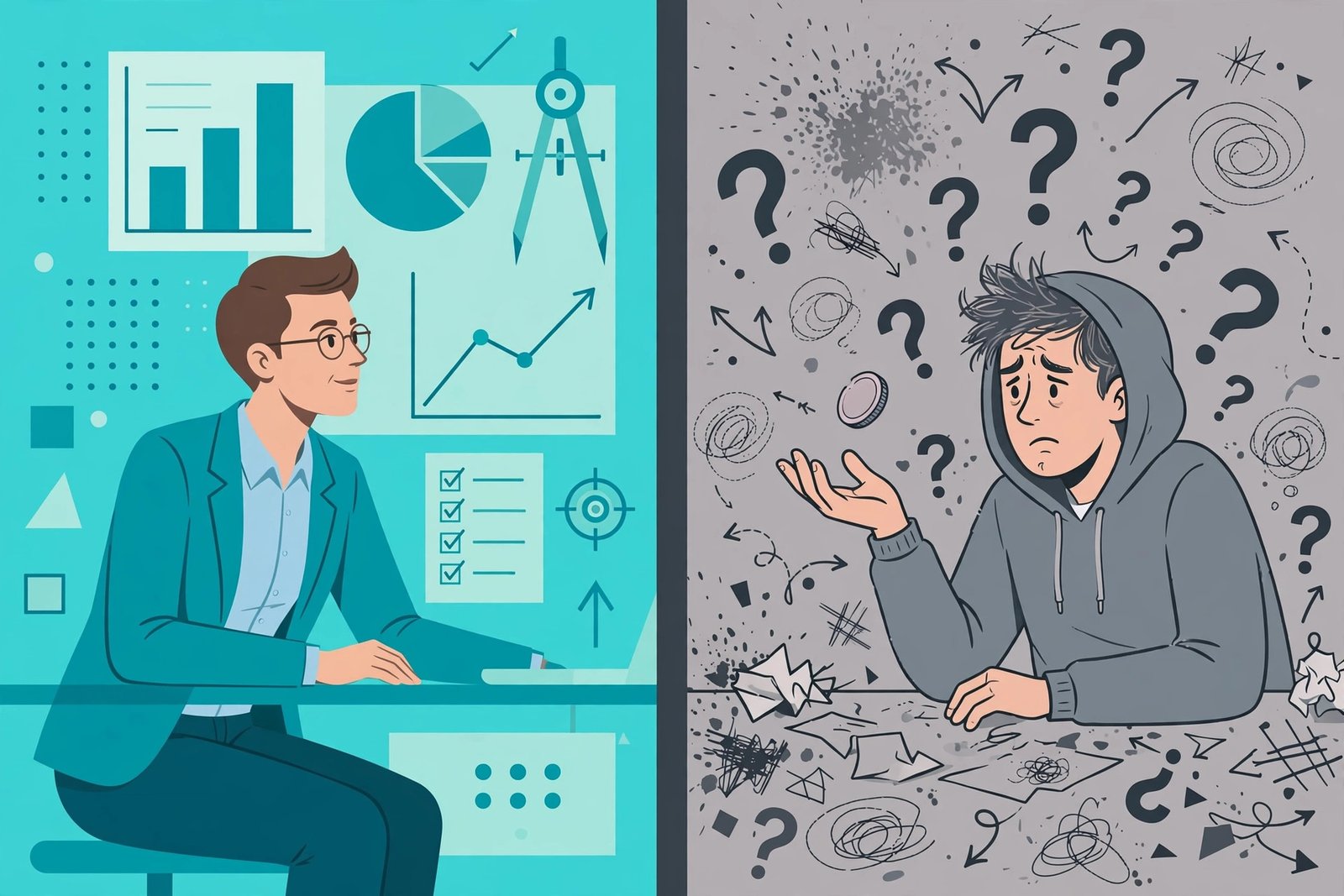
Picture two shop owners. One restocks shelves by gut feeling and discovers the Christmas rush too late. The other saw the demand curve climbing in October and ordered early. The difference between them is a data analyst, and in 2026 that difference is measurable in money.
What a Data Analyst Actually Does
A data analyst turns raw numbers into decisions. They pull data from sales systems, websites, and customer records, clean it up, look for patterns, and present findings that a non-technical manager can act on. The job is part detective, part translator: the value is not the spreadsheet, it is the recommendation at the bottom of it.

7 Concrete Benefits, With Real Examples
1. Better decisions, made with evidence
This is the headline benefit. Companies that base decisions on data are 23 times more likely to acquire customers, 6 times more likely to retain them, and 19 times more likely to be profitable, according to widely cited McKinsey research. In industry surveys, 69% of organizations name better strategic decisions as the top benefit of their analytics work. A retailer deciding where to open its next store, a hospital scheduling staff around admission patterns, a SaaS company choosing which feature to build next: all of these stop being arguments and start being calculations.
2. Lower costs, found in the details
Organizations that quantified their analytics gains reported an average 10% cost reduction, and industry estimates put potential operational savings from effective analytics programs as high as 30%. Analysts find the waste humans miss: delivery routes that burn fuel, inventory that expires on shelves, software licenses nobody uses. AI-driven forecasting has been shown to improve demand accuracy by about 10% while cutting supply chain costs up to 15%.
3. Customers you actually understand
About 60% of organizations say analytics has improved their customer experience, and 52% cite better customer understanding as a core benefit. An analyst can show which customers are about to leave and why, which marketing message converts, and which product complaints keep repeating. For small businesses, even basic tools matter: AI marketing tools now put this kind of customer analysis within reach of teams with no data staff at all.
4. Revenue growth you can trace
Analytics investment is linked to 15 to 20% revenue increases in industry reports, and organizations measuring their big data programs reported an average 8% revenue lift. Business intelligence implementations have shown up to 127% ROI over three years. The mechanism is simple: analysts find the products, segments, and channels that actually make money, and the business doubles down on those.
5. Faster decisions when speed matters
Data-driven organizations make faster decisions, roughly five times faster by some measures, and companies using real-time analytics are about three times more likely to outperform competitors. Automated reporting alone redirects 40 to 60% of reporting time from data collection to actual analysis. In a volatile market, the company that sees the shift on Tuesday beats the one that reads about it in Monday’s report.
6. Risks spotted before they become losses
Analysts build the early warning systems: fraud patterns in transaction data, equipment readings that predict breakdowns, cash flow forecasts that flag a crunch months ahead. Around 36% of organizations using decision support tools report meaningful reductions in operational risk. Prevention is quiet and unglamorous, which is exactly why it needs an analyst to champion it.
7. A genuine competitive edge
About 92% of enterprises say their analytics initiatives increased profits or delivered competitive advantage. Analytics has moved from back-office support to strategy: 72% of data and analytics leaders now lead or heavily drive their organization’s digital transformation. The companies winning their markets in 2026 are, almost without exception, the ones that know their numbers.
The Benefits at a Glance
| Benefit | What it looks like in practice | The number |
|---|---|---|
| Better decisions | Store locations, product bets, hiring plans | 19x more likely to be profitable |
| Lower costs | Less waste, leaner supply chains | ~10% average cost reduction |
| Customer insight | Churn prediction, targeting that works | 60% report better customer experience |
| Revenue growth | Doubling down on what sells | 8-20% revenue lift reported |
| Speed | Real-time dashboards, automated reports | ~5x faster decisions |
| Risk reduction | Fraud detection, failure prediction | 36% report lower operational risk |
The Honest Caveats
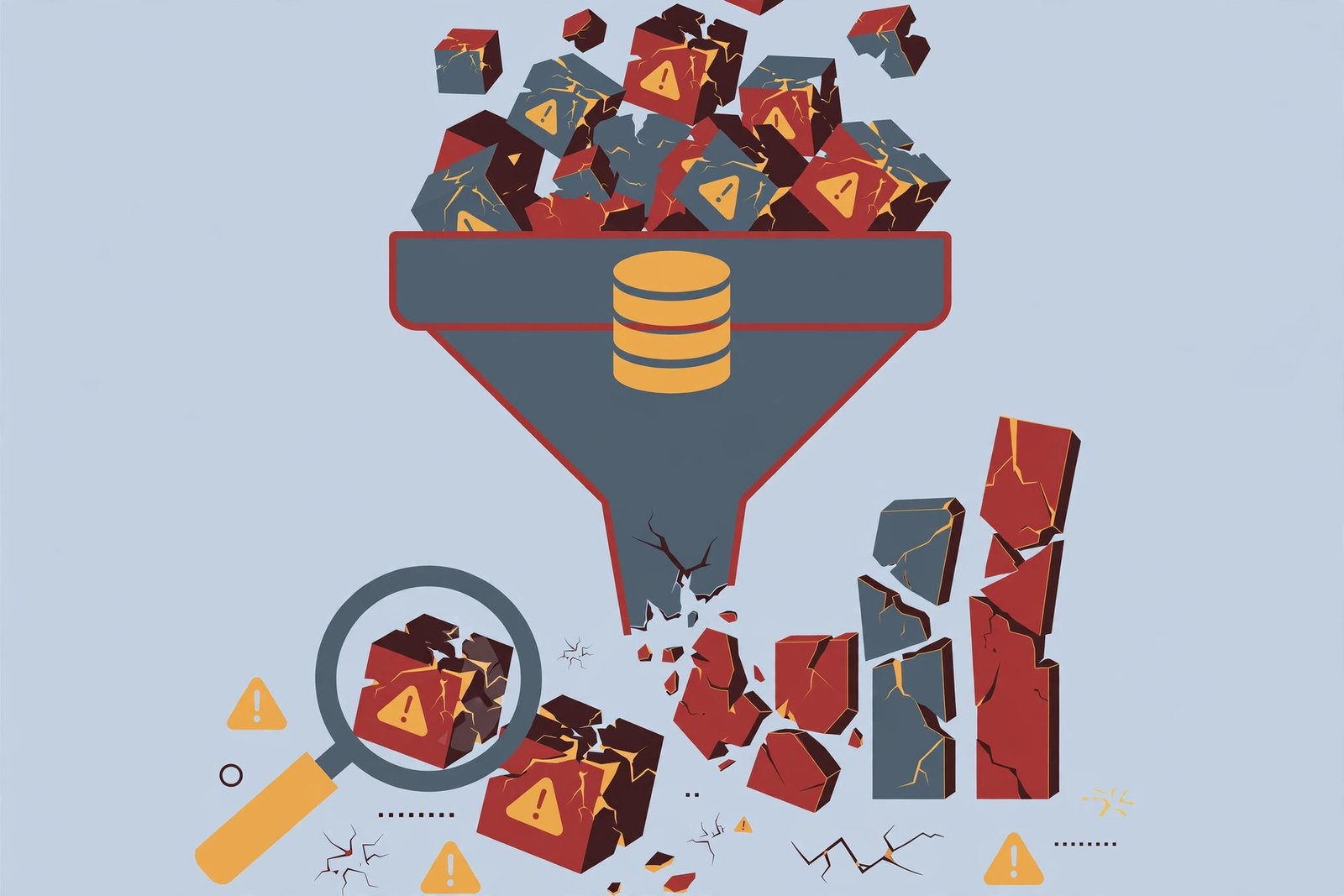
Data analysis is not magic, and the failures are instructive. First, bad data produces confident wrong answers: poor data quality costs organizations an estimated 12% of revenue, and an estimated 60 to 73% of collected data goes unused for strategic purposes. Second, dashboards nobody reads are expensive wallpaper; fewer than half of documented corporate strategies even treat data and analytics as essential. Third, analysis can become paralysis when every decision waits for one more report. The benefits above belong to organizations that act on findings, not ones that merely collect them.
What This Means for Careers
The demand side of the story is strong. The US Bureau of Labor Statistics projects 23% growth for data occupations through 2032, and 34% for data professional roles through 2034. Median US base pay for data analysts sits around $96,400 as of mid-2026, with entry-level roles averaging near $90,000, according to June 2026 hiring data. AI is reshaping the role rather than killing it: routine cleaning and basic reporting are increasingly automated, which pushes analysts toward judgment, storytelling, and strategy. The analysts thriving in 2026 are the ones who can ask the right question and explain the answer to people who do not speak data. If you are still in school, the best AI tools for students can help you start building those skills early, and a broader tech career path guide shows how data roles connect to neighboring fields.
Our Take
A data analyst pays for themselves when the business actually uses their findings. The benefits are real and well measured: better decisions, lower costs, happier customers, and faster reactions. But none of it works without clean data and leaders willing to be overruled by evidence. Hire the analyst, fix the data, and then do what the numbers say.
Quick Answers
Do small businesses benefit from data analysis too?
Yes, often more than large ones, because every decision matters more. You do not need a data team: a spreadsheet, clean sales records, and a few hours a month of honest analysis will surface most of the same insights.
Is AI replacing data analysts?
It is replacing the mechanical parts: data cleaning, routine reports, basic charts. What grows in value is judgment: knowing which question to ask, whether the answer is trustworthy, and what to do about it. That part is still human.

- How to Fix Windows 11 Search Not Finding Files - October 24, 2026
- How to Fix Windows 11 Clock Showing the Wrong Time - October 23, 2026
- How to Fix File Explorer Slow to Open in Windows 11 - October 22, 2026