
NFT whitelists used to be golden tickets. In 2026 the market looks very different, so here is the honest picture before you spend a single weekend grinding Discord levels.
What an NFT Whitelist Actually Is
A whitelist is a project’s VIP list. It is a database of specific wallet addresses that get to mint the project’s NFTs during an early window, usually a few hours to a few days before everyone else. Whitelisted buyers typically pay the base mint price and skip the gas wars and the inflated secondary market prices that follow a public launch.
Projects use whitelists to reward their earliest supporters and to make sure a mint does not collapse under bot traffic. In return, supporters are expected to show up early: join the Discord, follow the announcements, and sometimes create fan art or memes to earn a spot.

The Honest 2026 Reality Check
You cannot talk about finding NFT whitelists in 2026 without talking about what happened to the market. The numbers are sobering, and they change the math completely.
Blur, which once handled more than 70 percent of all Ethereum NFT trading, announced on October 12, 2026 that it will shut down its marketplace website on November 12. Its monthly volume collapsed more than 99.5 percent, from about $1.43 billion in March 2023 to under $7 million in March 2026. It was not alone: Kraken closed its NFT marketplace in February 2025, X2Y2 and Bybit followed that April, Nifty Gateway shut down in 2026, and Binance discontinued its centralized NFT service too.
Across the whole market, monthly volume sits around $546 million (October 2025) to roughly $720 million (Q1 2026 Ethereum NFTs), far below the $3.5 billion monthly peak of 2022. The NFT Paris conference, once a flagship European event, was canceled in early 2026 after organizers said the “market collapse hit us hard.” Sales counts are actually up, with 10.1 million NFTs sold in October 2025, but average prices are low and the action has shifted toward utility, gaming assets, and established brands like Pudgy Penguins rather than speculative profile-picture mints.

Whitelist Hunting Then vs. Now
| 2021-2022 | 2026 |
|---|---|
| Hundreds of hyped mints launching weekly | A handful of serious launches per month |
| Whitelist spots often flipped for 5-10x mint price | Most whitelisted mints trade near mint price or below |
| Chainalysis found 75.7% of whitelisted flippers profited | Thin liquidity makes flipping unreliable |
| Scams existed but were easy to spot in a boom | Scammers now target the few remaining eager buyers |
| OpenSea, Blur, X2Y2 competing for volume | Magic Eden leads; several major marketplaces closed |
So Is Chasing Whitelists Still Worth It?
For most people, no. The famous Chainalysis statistic, that whitelisted buyers profited 75.7 percent of the time versus 20.8 percent for everyone else, comes from the 2022 bull market. It does not describe today’s market, where many whitelisted mints never rise above their mint price and secondary buyers are scarce.
Whitelist grinding also has a real cost. Projects that still run whitelists often demand weeks of Discord activity, daily check-ins, and social promotion. That is a part-time job with no pay, and in a market this thin, the “reward” may be an NFT nobody wants to buy. If you are doing it purely for profit, the hours almost never pencil out anymore.
The exceptions are real but narrow. If you genuinely love a project’s art, game, or community, a whitelist spot lets you mint at the base price and avoid gas wars, and that is a fine reason on its own. The other exception is “golden shovel” style NFTs tied to token airdrops, like the Hypurr series distributed by HyperLiquid, which carried real eligibility value for a time. Even there, prices often crater once the snapshot or airdrop happens, so these are short-term plays, not investments.
Legitimate Ways to Find Upcoming Whitelists
If you decide it is worth your time, stick to methods that do not require trusting strangers with your money or your wallet.
1. Follow established projects through their official channels
The safest whitelists come from projects with a real track record: established brands, well-known game studios, or collections with months of public development. Get your links from the project’s official website only, then follow their Discord and X accounts from there. If you are new to following crypto projects on social media, start with the basics of choosing the right social platform for crypto communities so you can tell official accounts from impersonators.
2. Check marketplace mint calendars
Magic Eden and OpenSea both run launchpads and upcoming-mint sections where vetted projects list their mint dates, supply, and whitelist requirements. These are not endorsements, but they are a far safer starting point than a random Telegram group. Read the project page, check the team’s history, and look for independent coverage before you commit any funds.
3. Earn spots through genuine participation
Most whitelists are still earned the old-fashioned way: join early, be active, help newcomers, make fan art, and contribute to the community. Projects reward real supporters, not level-grinders. If a project’s “engagement requirements” feel like unpaid marketing labor for a mint you do not care about, that is your sign to walk away.
4. Watch for airdrop-linked NFTs from protocols you already use
Some of the most valuable recent NFTs were not art projects at all. Protocols have distributed NFTs to early users as eligibility credentials for future token airdrops. These come from products you already use, announced on their official channels. The gaming side of crypto has held up better than the art side, so if this world interests you, play-to-earn crypto games are a more honest entry point than speculative mint hunting.
Scam Red Flags to Memorize
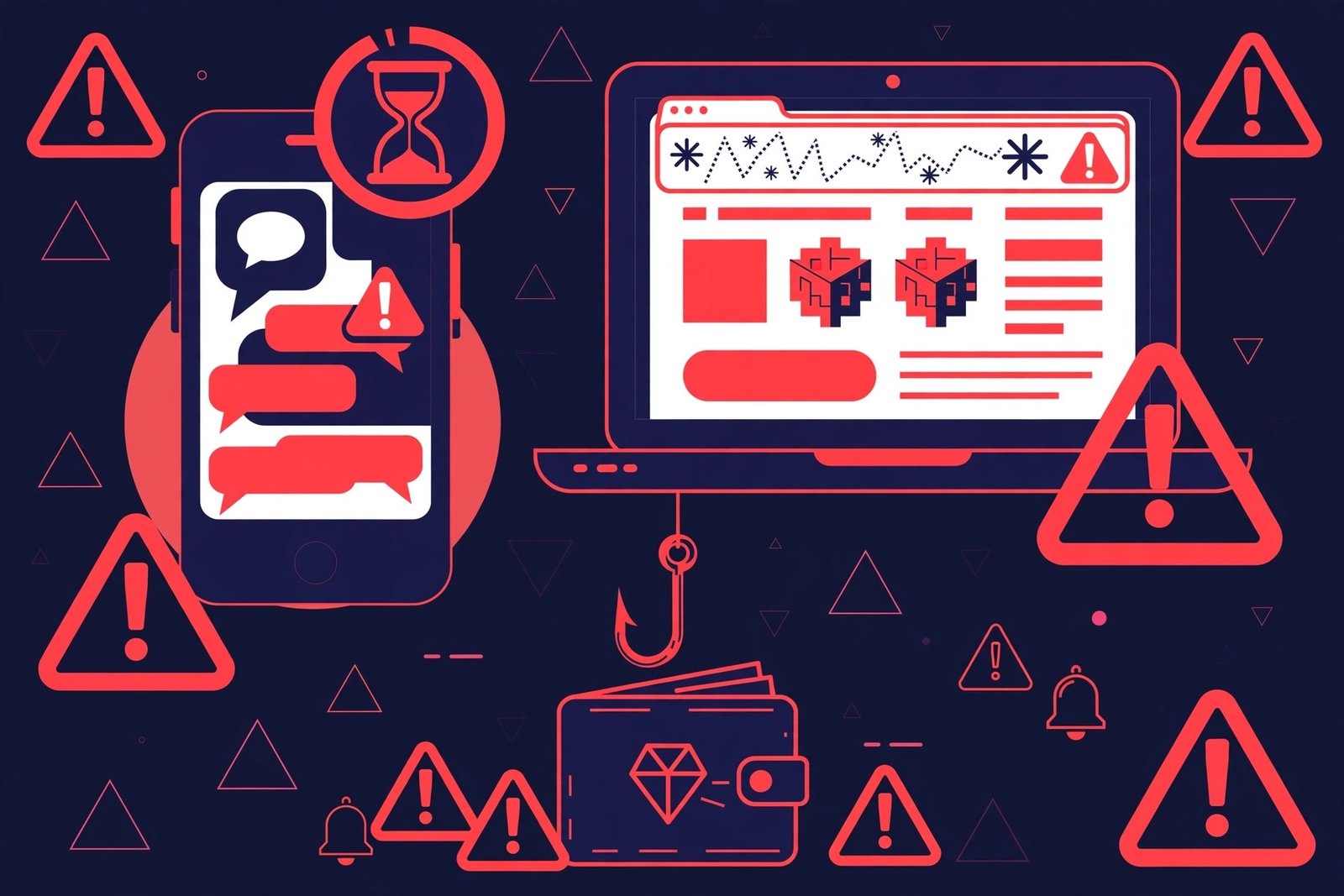
As the market shrank, scammers concentrated on the buyers who remain. Treat every unexpected whitelist offer as guilty until proven innocent.
- Unsolicited DMs offering whitelist spots. Real projects do not DM you out of nowhere. Anyone who does is either a scammer or selling something worthless.
- “Free mint, just pay gas.” This is the classic wallet drainer. You connect your wallet to “mint,” approve a transaction, and your assets are gone. Never connect your main wallet to an unfamiliar mint site.
- Mint sites linked from ads or DMs. Scammers clone real project websites with one letter changed. Always navigate to the project’s official site yourself and click through from there. When in doubt, run through the steps for checking whether a website is trustworthy before connecting anything.
- Paid whitelist spots from strangers. Nobody can guarantee you a whitelist spot, and anyone selling “guaranteed” access is scamming you. Legitimate spots are earned or raffled, never sold in DMs.
- Countdown timers and fake urgency. “Mint ends in 10 minutes” is designed to stop you thinking. Real mints give you days of notice.
Our Take
In 2026, whitelist hunting is a hobby for genuine fans of specific projects, not a money-making strategy. The resale premiums that made whitelists famous belonged to a different market. If you love a project’s community or want the mint-day price for something you actually want to own, go for it through official channels. If you are chasing profit, your time is better spent elsewhere: the grind is long, the liquidity is thin, and the scammers are waiting.
Quick Answers
Do I need a whitelist to buy NFTs?
No. Anyone can buy NFTs on secondary marketplaces like Magic Eden or OpenSea. A whitelist only gets you the early mint window and the base mint price.
Can I sell or transfer my whitelist spot?
Usually no. Spots are tied to your registered wallet address, and anyone offering to sell you one in a DM is almost certainly running a scam.

- How to Fix Windows 11 Search Not Finding Files - October 24, 2026
- How to Fix Windows 11 Clock Showing the Wrong Time - October 23, 2026
- How to Fix File Explorer Slow to Open in Windows 11 - October 22, 2026